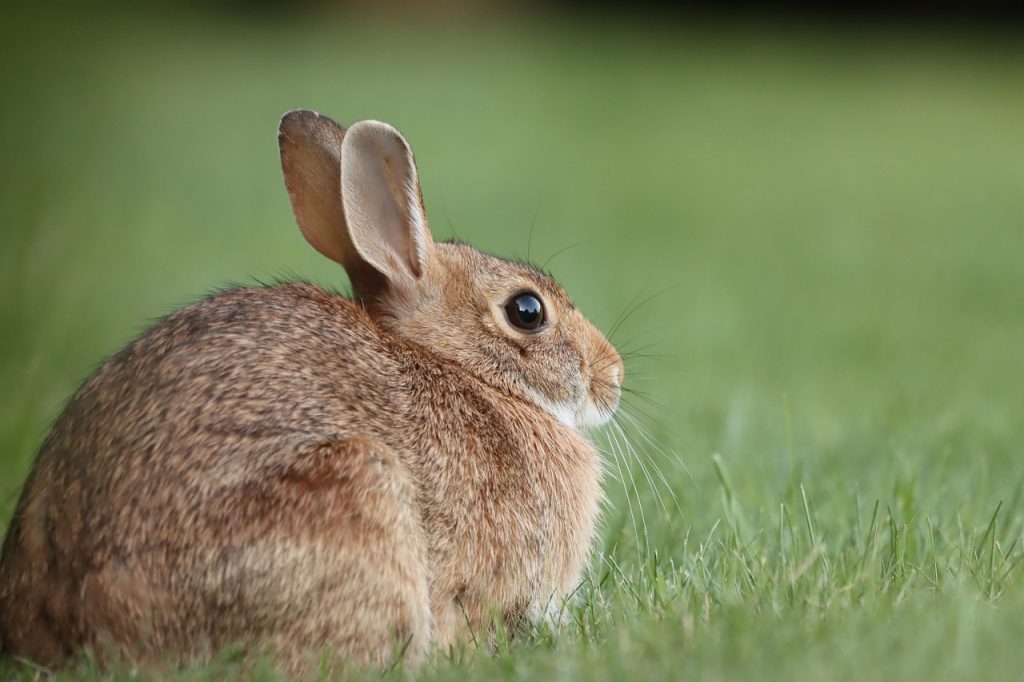
Rabbits are delightful companions known for their gentle nature and adorable appearance. To keep them healthy and happy, it’s crucial to provide them with a balanced diet that mimics their natural feeding habits. While hay should form the majority of their diet, vegetables are an excellent supplement that provides essential nutrients, hydration, and variety. However, not all vegetables are safe for rabbits. This article will explore the top safe vegetables you can include in your rabbit’s diet, ensuring they receive the necessary nutrients without any risk to their health.
The Importance of Vegetables in a Rabbit’s Diet
Rabbits are herbivores, which means their diet consists entirely of plant material. In the wild, they feed on a diverse range of plants, including grasses, leaves, and roots. To replicate this in captivity, domestic rabbits require a diet rich in fiber, vitamins, and minerals. Vegetables play a vital role in providing these nutrients and help in maintaining their digestive health. They also introduce variety and enrichment to their meals, preventing boredom and encouraging natural foraging behaviors.
Safe Vegetables for Rabbits
Leafy Greens
Leafy greens are a staple in a rabbit’s diet due to their high fiber content and nutritional value. They should be fed fresh and washed thoroughly. Here are some of the best leafy greens for your rabbit:
- Romaine Lettuce: Unlike iceberg lettuce, which is mostly water and offers little nutritional value, romaine lettuce is rich in fiber and essential nutrients like vitamin A, vitamin K, and folate.
- Kale: This superfood is packed with vitamins A, C, and K, as well as calcium and fiber. However, it should be fed in moderation due to its high calcium content, which can lead to urinary issues if consumed in excess.
- Parsley: An excellent source of vitamin C and iron, parsley can be offered in small quantities to add variety. Like kale, it should be fed in moderation.
- Cilantro: Known for its distinct aroma, cilantro is a great addition to a rabbit’s diet, providing vitamins C, A, and K.
- Spinach: Rich in vitamins and minerals, spinach can be a nutritious treat. However, it should be given sparingly due to its oxalate content, which may contribute to kidney problems over time.
Non-Leafy Vegetables
In addition to leafy greens, there are several non-leafy vegetables that can be safely included in your rabbit’s diet:
- Carrots: While often associated with rabbits, carrots are high in sugar and should be offered in moderation. The tops, or carrot greens, can be fed more frequently as they are rich in fiber and vitamins.
- Bell Peppers: These colorful vegetables are an excellent source of vitamins A and C. All colors are safe, but red and yellow peppers are particularly nutritious.
- Cucumbers: Low in calories and high in water content, cucumbers are a refreshing treat that can aid in hydration.
- Zucchini: Another hydrating vegetable, zucchini is gentle on a rabbit’s digestive system and can be fed regularly.
- Broccoli: Rich in vitamin C and fiber, broccoli stems and leaves are safe for rabbits. However, they can cause gas, so it’s best to introduce them gradually and feed in moderation.
Vegetables to Avoid
While many vegetables are safe and beneficial for rabbits, some should be avoided due to potential health risks:
- Iceberg Lettuce: As mentioned earlier, iceberg lettuce is mostly water and can cause digestive issues without providing any nutritional benefit.
- Potatoes: High in starch, potatoes can upset a rabbit’s stomach and should be avoided.
- Onions and Garlic: Both can be toxic to rabbits, potentially leading to gastrointestinal distress and other health issues.
- Rhubarb: This plant contains oxalic acid, which is toxic to rabbits and can cause kidney damage.
Feeding Guidelines and Tips
When introducing new vegetables to your rabbit’s diet, it’s important to do so gradually. Sudden dietary changes can lead to digestive upset, so start with small amounts and observe your rabbit for any signs of discomfort or diarrhea. Always wash vegetables thoroughly to remove any pesticides or chemicals, and serve them fresh to prevent spoilage.
It’s also crucial to maintain a balanced diet. While vegetables are important, they should not constitute more than 10-15% of your rabbit’s daily intake. The rest of their diet should primarily consist of high-quality hay, with a small portion of pellets and occasional fruit treats.
Conclusion
Feeding your rabbit a variety of safe vegetables is an excellent way to ensure they receive the necessary nutrients for a healthy and happy life. By choosing the right vegetables and following proper feeding guidelines, you can provide a diverse and enriching diet that supports their well-being. Remember, every rabbit is unique, so it’s essential to monitor their individual responses to different foods and adjust their diet accordingly. With the right care and attention, your rabbit will thrive and bring joy to your life for many years to come.
#ChatGPT assisted in the creation of this article.