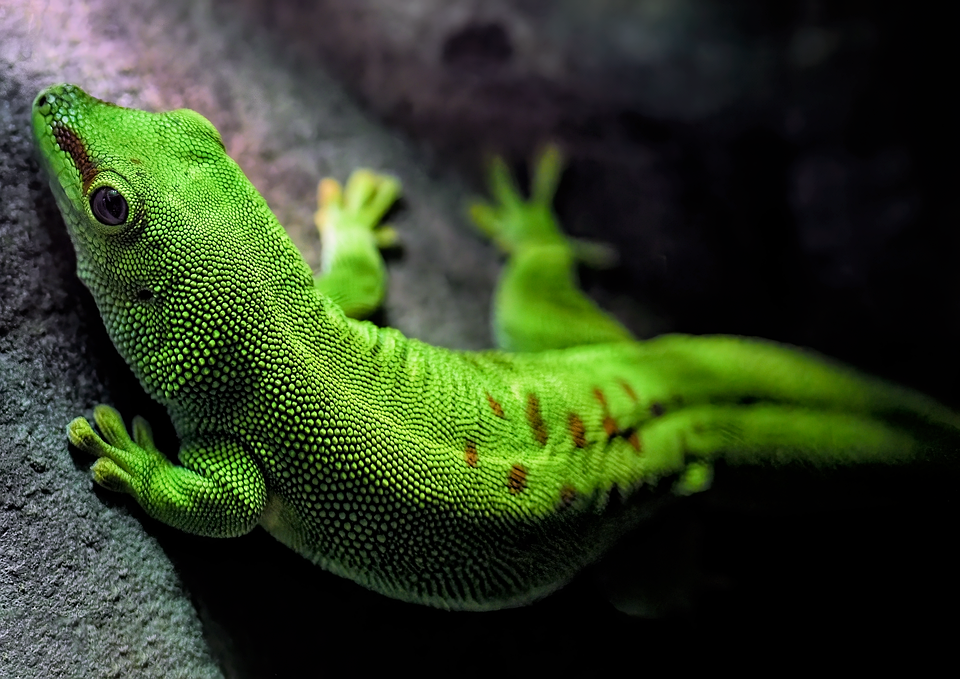
Geckos are fascinating reptiles known for their unique adaptations, vibrant colors, and diverse species. Providing the perfect habitat for a pet gecko is essential to ensure their well-being and longevity. This comprehensive guide will walk you through the essential elements of creating an ideal environment for your gecko, covering various aspects from enclosure selection to temperature regulation and dietary needs.
Understanding Gecko Needs
Before setting up a habitat, it’s crucial to understand the specific needs of your gecko species. There are over 1,500 gecko species, but the most common pet geckos include Leopard Geckos, Crested Geckos, and Tokay Geckos. Each species requires a tailored environment, so research your specific gecko’s needs.
Leopard Geckos
Originating from the arid regions of Afghanistan, Pakistan, and India, Leopard Geckos thrive in dry habitats with plenty of hiding spots and a temperature gradient to facilitate thermoregulation.
Crested Geckos
Native to the rainforests of New Caledonia, Crested Geckos prefer a humid environment with vertical space for climbing and hiding.
Tokay Geckos
Found in Southeast Asia, Tokay Geckos need a warm and humid habitat with plenty of vertical space and hiding areas.
Enclosure Selection
Choosing the right enclosure is the foundation of a successful gecko habitat. The enclosure should reflect the natural environment of the species.
Size and Material
The enclosure size should accommodate the gecko’s size and activity level. A 20-gallon tank is suitable for a single Leopard Gecko, while Crested and Tokay Geckos require at least 30 gallons due to their arboreal nature. Glass or acrylic tanks are recommended for their visibility and ease of cleaning.
Ventilation
Proper ventilation is crucial to prevent mold growth and maintain air quality. Ensure the enclosure has a secure mesh lid or built-in vents.
Substrate Choices
The substrate is the material that lines the bottom of the enclosure. It plays a role in humidity regulation and provides a natural look.
Leopard Geckos
Opt for substrates such as reptile carpet, paper towels, or slate tiles to reduce the risk of impaction. Avoid loose substrates like sand or gravel.
Crested and Tokay Geckos
These species benefit from substrates that retain moisture, such as coconut fiber, sphagnum moss, or a bioactive substrate mix.
Temperature and Humidity Control
Geckos are ectothermic, meaning they rely on external heat sources to regulate their body temperature. Proper temperature and humidity levels are vital for their health.
Temperature
Provide a temperature gradient with a warm side and a cool side. Leopard Geckos need a warm area of 88-92°F and a cooler side of 75-80°F. Crested Geckos prefer temperatures between 72-80°F, while Tokay Geckos thrive in temperatures of 80-88°F.
Heating Equipment
Use under-tank heaters, ceramic heat emitters, or basking bulbs to maintain the desired temperature gradient. Always use a thermostat to prevent overheating.
Humidity
Maintain humidity levels between 30-40% for Leopard Geckos and 50-70% for Crested and Tokay Geckos. Use a hygrometer to monitor levels and mist the enclosure as needed.
Lighting
While geckos are primarily nocturnal and do not require UVB lighting, providing a natural light cycle is beneficial.
Day/Night Cycle
Implement a regular day/night cycle with 12 hours of light and 12 hours of darkness using a timer. This can be achieved with low-wattage LED or fluorescent bulbs.
Supplemental Lighting
Although not essential, providing low-level UVB lighting can enhance vitamin D3 synthesis and improve overall health.
Decor and Enrichment
An enriched environment encourages natural behaviors and reduces stress. Decorate the enclosure with items that mimic the gecko’s natural habitat.
Hideouts
Provide multiple hiding spots to allow geckos to feel secure. Use commercially available hides or create your own with rocks, logs, or coconut shells.
Climbing Structures
Crested and Tokay Geckos enjoy climbing, so include branches, vines, and vertical structures. Ensure all items are secure and stable.
Plants
Live or artificial plants can enhance the enclosure’s aesthetic and provide additional cover. Choose non-toxic plants and ensure they are suitable for the humidity levels of the enclosure.
Feeding and Nutrition
A balanced diet is crucial for your gecko’s health. Geckos are insectivores, and their diet should reflect their natural feeding habits.
Insects
Offer a variety of insects such as crickets, mealworms, and dubia roaches. Gut-load insects with nutritious foods and dust them with calcium and vitamin D3 supplements.
Feeding Schedule
Juvenile geckos should be fed daily, while adults can be fed every other day. Monitor your gecko’s weight and adjust feeding as necessary.
Water
Provide a shallow dish of clean water at all times. Some geckos prefer to drink water droplets, so mist the enclosure regularly.
Monitoring Health and Behavior
Regularly observe your gecko for signs of health issues or stress. Common indicators include changes in appetite, lethargy, or unusual behavior.
Routine Health Checks
Conduct routine health checks by examining your gecko’s skin, eyes, and mouth for any abnormalities. Consult a reptile veterinarian if you notice any concerns.
Behavioral Signs
Understanding your gecko’s natural behaviors can help you identify potential issues. Healthy geckos are active, alert, and exhibit normal feeding and shedding behaviors.
Conclusion
Crafting the perfect environment for your pet gecko involves understanding their specific needs and creating a habitat that mimics their natural surroundings. By providing the right enclosure, substrate, temperature, humidity, lighting, and diet, you can ensure your gecko thrives. Regular monitoring and enrichment will further enhance their quality of life, resulting in a happy and healthy pet. Embrace the joy of caring for these captivating reptiles by creating a sanctuary that supports their well-being.
#ChatGPT assisted in the creation of this article.