Cats are known for their independent nature and ability to hide discomfort or illness. This instinctive behavior, rooted in their wild ancestry, can make it challenging for pet owners to recognize when their feline companions are unwell. Recognizing subtle signs of illness early can lead to prompt veterinary care, potentially saving a cat’s life. This article will delve into the nuanced behaviors and physical signs that may indicate a cat is not feeling its best.
Behavioral Changes
Altered Eating and Drinking Habits
One of the first indicators of illness in cats is a change in their eating or drinking patterns. A noticeable decrease in appetite could suggest issues ranging from dental problems to more serious conditions like kidney disease or gastrointestinal disorders. Conversely, an increase in food consumption might point to conditions such as diabetes or hyperthyroidism. Additionally, increased thirst may indicate kidney disease or diabetes, while a sudden decrease could be equally concerning.
Lethargy or Increased Sleep
While cats are known for their love of napping, a significant increase in sleep or a noticeable lack of energy during waking hours can be a red flag. Lethargy may indicate a wide range of health issues, including infections, metabolic disorders, or even pain. Conversely, if a cat appears unusually restless or experiences disruptions in their sleep patterns, this too can be a sign of underlying health problems.
Behavioral Aggression or Withdrawal
Changes in a cat’s behavior, such as increased aggression or withdrawal from social interactions, can signal that something is amiss. A cat that suddenly hisses, bites, or scratches more than usual may be experiencing pain or discomfort. Similarly, a normally social cat that starts hiding or avoids interaction with humans or other pets may be suffering from stress, anxiety, or illness.
Physical Signs
Changes in Grooming Habits
Cats are meticulous groomers, and any deviation from their normal grooming behavior can be indicative of illness. A decrease in grooming may result in an unkempt or greasy coat and could suggest pain, arthritis, or obesity. On the other hand, excessive grooming or licking, particularly in one area, might point to skin conditions, parasites, or allergies.
Unusual Litter Box Behavior
Alterations in litter box habits can be a subtle yet significant indicator of health issues. Increased frequency of urination, difficulty urinating, or unusual stool consistency can suggest a range of conditions, from urinary tract infections to digestive disorders. Additionally, a cat urinating outside the litter box could be experiencing stress or a medical issue that requires attention.
Weight Fluctuations
Weight changes in cats are often a visible sign of underlying health problems. Sudden weight loss can be alarming and might be associated with hyperthyroidism, diabetes, or cancer. Conversely, unexplained weight gain could be a symptom of hypothyroidism or other metabolic disorders. Regular weight checks can help catch these changes early, allowing for timely intervention.
Environmental and Contextual Indicators
Changes in Vocalization
Cats communicate in various ways, including through vocalizations. An increase in meowing, yowling, or other vocal behaviors could indicate distress or discomfort. Particularly in older cats, increased nighttime vocalization might be associated with cognitive dysfunction. Conversely, a typically vocal cat that becomes unusually quiet may also be exhibiting a sign of illness.
Alterations in Routine
Cats thrive on routine, and any disruption in their usual activities can be telling. A cat that stops engaging in play or other favorite activities may be experiencing physical discomfort or illness. Similarly, changes in their interaction with family members or pets could signify stress or health issues.
Sensitivity to Touch
Cats that become sensitive to touch, particularly in certain areas of their body, may be experiencing pain or discomfort. This sensitivity could be due to injuries, arthritis, or internal issues that require veterinary attention. Observing how a cat responds to being petted or picked up can provide valuable clues to their health status.
Diagnostic and Preventive Measures
Regular Veterinary Check-Ups
Regular veterinary check-ups are crucial for maintaining a cat’s health and catching potential issues early. Annual or bi-annual visits allow veterinarians to perform physical exams, update vaccinations, and recommend diagnostic tests if necessary. Blood work, urinalysis, and imaging can provide insights into a cat’s internal health and help identify conditions before they become severe.
Monitoring and Record-Keeping
Keeping a detailed record of a cat’s health and behavior can be beneficial for both pet owners and veterinarians. Documenting changes in appetite, weight, litter box habits, and behavior can help identify patterns that may not be immediately apparent. This information can be invaluable during veterinary consultations, aiding in the accurate diagnosis and treatment of health issues.
Environmental Enrichment
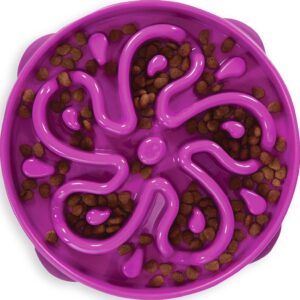
Providing a stimulating and stress-free environment can contribute to a cat’s overall well-being. Enrichment activities such as interactive toys, puzzle feeders, and climbing structures can promote physical and mental health. Reducing stressors in a cat’s environment, such as loud noises or changes in routine, can also minimize the risk of stress-related illnesses.
Conclusion
Recognizing subtle signs of illness in cats requires a keen eye and an understanding of their normal behaviors and habits. While cats are masters at concealing discomfort, changes in behavior, grooming, litter box habits, and physical appearance can provide valuable clues to their health status. By staying vigilant and proactive, pet owners can ensure their feline companions receive the care they need to live healthy, happy lives. Regular veterinary check-ups, record-keeping, and providing a supportive environment are key components in maintaining a cat’s health and catching potential issues early. Understanding and observing these subtle signs can make a significant difference in the quality of life and longevity of our beloved feline friends.
#ChatGPT assisted in the creation of this article.