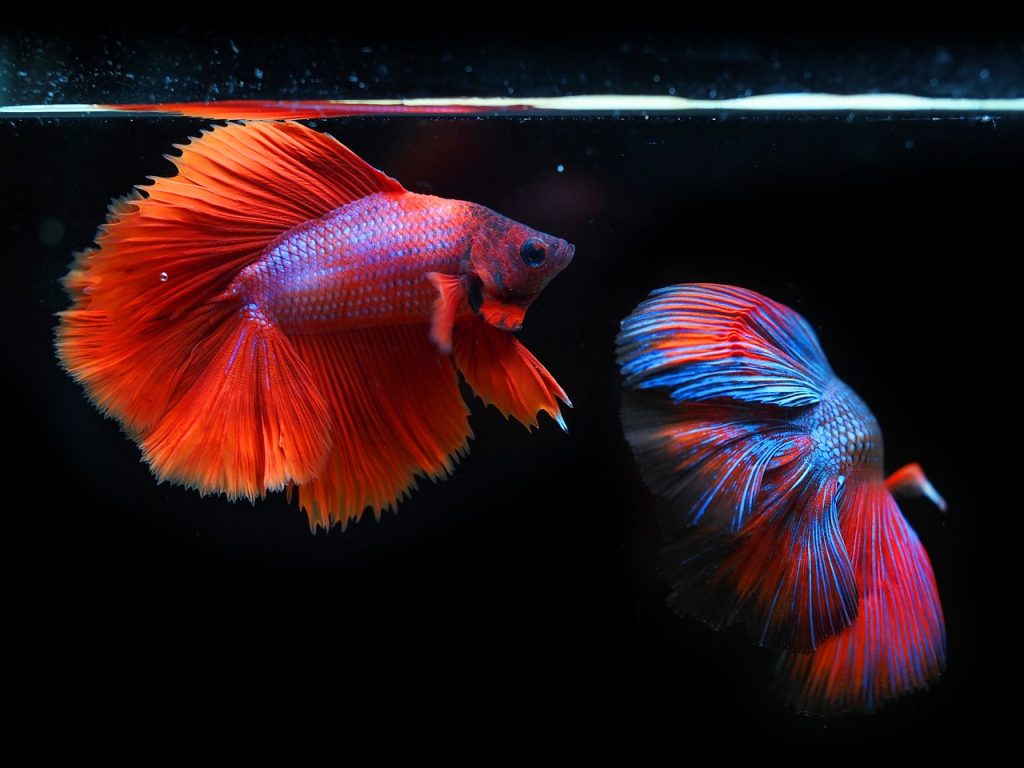
Betta fish, also known as Siamese fighting fish, are a popular choice for aquarium enthusiasts due to their vibrant colors and engaging personalities. Creating an optimal habitat for Betta fish is crucial to ensure their health, well-being, and longevity. This guide will walk you through the essential elements of setting up an ideal environment for your Betta, from tank selection and water conditions to decoration and maintenance.
Choosing the Right Tank
The first step in creating an optimal Betta habitat is selecting the right tank. While Betta fish are often sold in small bowls, these are far from ideal. A larger tank provides more space for swimming and reduces stress.
Tank Size
A tank size of at least 5 gallons is recommended for a single Betta fish. Larger tanks allow for better water quality management and provide ample space for your Betta to explore and exercise.
Tank Shape
Opt for a rectangular tank rather than a spherical or tall design. The surface area of the water is more important than the depth, as Betta fish need access to the water’s surface to breathe air due to their labyrinth organ.
Water Conditions
Maintaining optimal water conditions is vital for the health of your Betta fish. Poor water quality can lead to stress, disease, and even death.
Water Temperature
Betta fish are tropical fish and require warm water to thrive. Aim to maintain a water temperature between 76°F and 82°F (24°C to 28°C). Use a reliable aquarium heater to ensure a consistent temperature, especially in colder climates.
Water pH
Bettas prefer slightly acidic to neutral water, with a pH level ranging from 6.5 to 7.5. Regularly test the water with a pH testing kit and adjust as necessary using pH adjusters available in pet stores.
Water Filtration
A gentle filtration system is crucial to keep the water clean without creating strong currents that may stress your Betta. A sponge filter or a filter with an adjustable flow rate works well for Betta tanks.
Water Changes
Regular water changes are essential to maintain water quality. Replace 25% to 30% of the tank water weekly to remove waste and toxins, ensuring a healthy environment for your Betta.
Decorating the Tank
Decorating your Betta tank not only enhances its aesthetic appeal but also provides enrichment and hiding spots for your fish.
Substrate
Choose a soft substrate like sand or smooth gravel to cover the bottom of the tank. A fine substrate prevents damage to the Betta’s delicate fins and allows for easy rooting of live plants.
Live Plants
Incorporating live plants in your Betta tank offers several benefits, including oxygen production, natural filtration, and hiding places for your Betta. Consider plants like Java fern, Anubias, and Amazon sword, which thrive in low light and are easy to care for.
Decorations and Hiding Spots
Include decorations like caves, driftwood, and Betta hammocks to provide your fish with places to explore and rest. Ensure that all decorations have smooth edges to prevent injury.
Lighting
Proper lighting is essential for a healthy Betta tank environment. Bettas do not require intense lighting, but a regular day-night cycle helps regulate their biological clock.
Light Intensity and Duration
Use a low to moderate intensity aquarium light, and aim for about 8 to 12 hours of light per day. Timers can be helpful in maintaining a consistent lighting schedule.
Avoiding Algae Growth
Excessive light can lead to algae growth, which competes with your plants for nutrients and looks unsightly. If algae become a problem, reduce the light duration or intensity.
Feeding Your Betta
A balanced diet is essential for the health and vibrancy of your Betta fish. Bettas are carnivorous and require a diet rich in protein.
Types of Food
Provide a variety of foods to ensure a balanced diet. High-quality Betta pellets should be the staple, supplemented with live or frozen foods like brine shrimp, daphnia, and bloodworms.
Feeding Schedule
Feed your Betta small amounts once or twice a day, ensuring that they consume all the food within a few minutes. Overfeeding can lead to obesity and water quality issues.
Common Betta Tank Problems
Even with the best setup, issues can arise in Betta tanks. Recognizing and addressing these problems promptly is key to maintaining a healthy habitat.
Fin Rot
Fin rot is a common disease in Bettas, often caused by poor water quality. Symptoms include frayed, discolored fins. Improve water conditions and consider antibacterial treatments if necessary.
Ich
Ich, or white spot disease, is a parasitic infection. It appears as white spots on the Betta’s body and fins. Increase the water temperature slightly and use ich treatment products to combat this condition.
Ammonia Poisoning
High ammonia levels can be toxic to Bettas. Symptoms include lethargy and gasping at the surface. Regular water changes and a good filtration system help prevent ammonia buildup.
Conclusion
Creating an optimal habitat for your Betta fish involves careful consideration of tank size, water conditions, decorations, lighting, and diet. By following this setup guide, you can ensure a healthy and enriching environment for your Betta, allowing them to thrive and display their full beauty. Regular maintenance and monitoring are crucial to address any issues that may arise, ensuring a long and healthy life for your aquatic companion.
#ChatGPT assisted in the creation of this article.