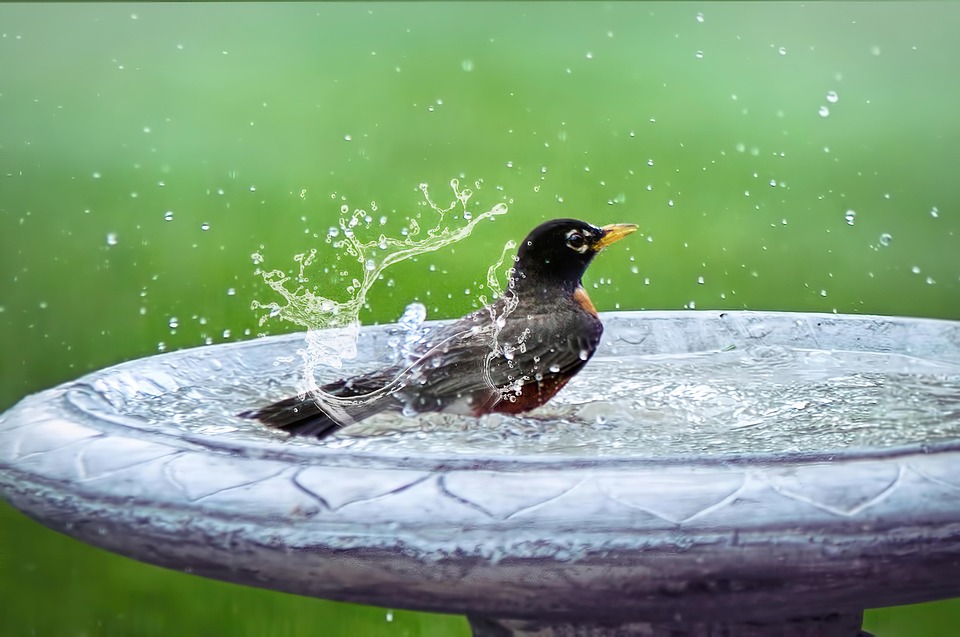
Birds, with their vibrant colors and melodic calls, are a cherished part of our natural environment. To maintain their health and beauty, birds engage in a practice as ancient as their lineage: bathing. This ritual is not just about cleanliness but is essential to their overall well-being. This article explores expert bird bathing tips that can enhance avian wellness, ensuring these delightful creatures thrive in both the wild and our backyards.
The Importance of Bird Bathing
Bird bathing is a crucial activity for avian health. It serves multiple purposes, from feather maintenance and temperature regulation to parasite control and social interactions. Clean feathers are vital for flight efficiency and insulation, while regular bathing aids in removing dirt and parasites that could harm a bird’s health. Furthermore, bathing can be a social activity that strengthens bonds within flocks, encouraging natural behaviors and reducing stress.
Choosing the Right Bird Bath
Material and Design
When selecting a bird bath, consider materials that are durable and safe for birds. Stone, ceramic, and metal are popular choices due to their durability, while plastic can be a lightweight alternative. The design should include a textured surface to prevent slipping, with a gradual slope to accommodate birds of different sizes.
Depth and Size
A depth of 1 to 2 inches is ideal for most birds, allowing them to bathe comfortably without the risk of drowning. The size of the bird bath should be proportionate to the space available, providing ample room for birds to move and bathe without overcrowding.
Placement of the Bird Bath
Safety and Accessibility
Place the bird bath in a location that is easily accessible to birds but also provides safety from predators. Ideally, it should be near shrubs or trees, offering quick refuge but not so close that predators can easily ambush. Ensure there are no high branches directly above the bath to prevent droppings from contaminating the water.
Sunlight and Shade
Position the bird bath in an area that receives a balance of sunlight and shade. Sunlight helps keep the water warm, which is inviting to birds, but too much can lead to rapid evaporation and algae growth. Partial shade helps regulate water temperature and reduces algae proliferation, keeping the bath clean and fresh.
Maintaining Cleanliness
Regular Cleaning
To prevent the spread of disease and algae buildup, clean the bird bath regularly. Empty the water daily and scrub the basin with a brush to remove dirt and algae. Use a mild solution of water and vinegar for a thorough clean, avoiding harsh chemicals that could harm birds.
Water Quality
Fresh, clean water is essential for a healthy bird bath. Refill the bath with clean water every few days, or more often in hot weather. Monitor water quality, looking for signs of contamination, and replace water immediately if it appears dirty or stagnant.
Enhancing the Bird Bath Experience
Adding Stones or Pebbles
Incorporate stones or pebbles into the bird bath to create varying depths, accommodating different bird species. These additions provide perches for smaller birds and help with grip, making the bath more inviting.
Incorporating Moving Water
Birds are attracted to the sound and movement of water. Adding a small fountain or dripper can enhance the appeal of the bird bath, encouraging more birds to visit. Moving water also helps keep the water clean by preventing stagnation.
Seasonal Considerations
Winter Care
In colder months, prevent the bird bath from freezing by placing a bird bath heater or using a heated bath. Ensure that the heater is safe for birds and does not overheat the water. Regularly check the bath to ensure it remains ice-free and accessible.
Summer Care
During hot weather, birds rely on baths not just for cleaning but also for cooling. Ensure the bath is always filled with fresh water and consider placing it in a shadier spot to reduce evaporation. Adding ice cubes can also help keep the water cool and inviting.
Encouraging Diverse Bird Species
Planting Native Vegetation
Enhance your garden to attract a variety of bird species by planting native vegetation. These plants provide natural food sources, shelter, and nesting sites, making your garden a haven for birds.
Providing Multiple Bathing Options
Consider installing multiple bird baths at different heights and locations to cater to a wider range of bird species. Ground baths attract larger birds, while elevated baths may appeal to smaller or more cautious species.
Conclusion
Bird bathing is a simple yet profound way to support avian wellness. By providing a clean, safe, and inviting environment, you can enhance the health and happiness of the birds in your area. Through careful selection, placement, and maintenance of bird baths, along with thoughtful enhancements and seasonal adjustments, you can create a sanctuary that attracts a diverse array of birds, enriching both your garden and your experience of nature.
#ChatGPT assisted in the creation of this article.