Aquascaping is the art of designing and arranging aquatic plants, rocks, stones, cavework, or driftwood in an aesthetically pleasing manner within an aquarium. This practice not only creates a beautiful underwater landscape but also provides a healthy and stimulating environment for aquatic life. For beginners, diving into aquascaping can seem daunting, but with the right guidance, it can become a rewarding hobby. This article provides essential tips for those new to the world of aquascaping.
Understanding the Basics of Aquascaping
Before plunging into aquascaping, it’s crucial to understand the basics. At its core, aquascaping involves three main components: plants, hardscape materials (like rocks and driftwood), and fish. A well-balanced aquarium requires a harmonious integration of these elements, maintaining aesthetics while also catering to the biological needs of the aquatic inhabitants.
Choosing the Right Aquarium Size
As a beginner, it might be tempting to start with a small tank, thinking it’s easier to manage. However, larger tanks are often more forgiving when it comes to maintaining stable water parameters. A tank size of 20 gallons is a good starting point for beginners. It offers enough space to experiment with design while being manageable in terms of maintenance.
Selecting the Ideal Substrate
The substrate is the foundation of your aquascape. While it serves as a base for plants to root and grow, it also affects the aquarium’s overall appearance. Popular choices include gravel, sand, and specialized aquasoils. For planted tanks, nutrient-rich substrates are recommended as they provide essential nutrients to aquatic plants.
Design Principles for Aquascaping
Just like any form of art, aquascaping follows certain design principles that can enhance the visual appeal of the aquarium.
The Rule of Thirds
This timeless design principle helps create balance and focus within the tank. By dividing the tank into a grid of nine equal sections, you can position key elements along these lines or at their intersections to draw attention and create visual interest.
Creating Depth and Perspective
To achieve a sense of depth, place larger rocks or plants towards the back and smaller ones in the front. Sloping the substrate from back to front can also enhance this effect, making your aquascape appear more dynamic and natural.
Using Negative Space
While it might be tempting to fill every inch of the tank with plants and decorations, negative space (or empty space) is equally important. It provides contrast, allowing the elements you want to highlight to stand out more effectively.
Selecting Plants and Hardscape Materials
Choosing the right plants and hardscape materials is integral to creating a successful aquascape.
Choosing Suitable Plants
As a beginner, opt for hardy plant species that are easier to maintain. Java fern, Anubias, and Amazon sword are popular choices due to their adaptability and low maintenance needs. Ensure that the plants you select are compatible with the water parameters of your tank.
Incorporating Hardscape Elements
Hardscape elements like rocks and driftwood are the backbone of your aquascape. They provide structure and form, serving as focal points within the design. When selecting these materials, ensure they are aquarium-safe and do not alter the water chemistry.
Lighting and CO2 Considerations
Proper lighting and CO2 levels are crucial for plant growth and the overall health of your aquascape.
Understanding Lighting Needs
Lighting is essential for photosynthesis, which is vital for plant growth. LED lights are popular choices as they are energy-efficient and provide a full spectrum of light. The intensity and duration of light should be tailored to the needs of the plants in your tank.
CO2 Supplementation
While not all aquariums require additional CO2, many planted tanks benefit from it. CO2 supplementation encourages robust plant growth and can reduce algae problems by promoting healthy plant competition. For beginners, CO2 systems can be daunting, but there are DIY options and liquid CO2 supplements that are easier to manage.
Maintaining Your Aquascape
Regular maintenance is key to keeping your aquascape looking its best and ensuring the health of its inhabitants.
Regular Water Changes
Water changes are crucial for removing waste and maintaining water quality. Aim to change 10-20% of the water weekly. This practice helps keep nitrate levels under control and ensures a healthy environment for your fish and plants.
Pruning and Plant Care
Regular pruning prevents plants from becoming overgrown and maintains the desired layout of your aquascape. Dead or decaying leaves should be removed promptly to prevent them from decomposing and affecting water quality.
Monitoring Water Parameters
Regularly test the water for parameters such as pH, ammonia, nitrite, and nitrate levels. Keeping these within the appropriate range is crucial for the health of both plants and fish.
Introducing Fish to Your Aquascape
Fish bring life and movement to an aquascape, but their introduction must be handled with care.
Choosing Compatible Fish
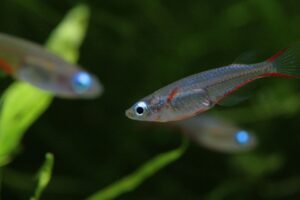
Select fish that are compatible with the plants and water conditions of your tank. Community fish like tetras, rasboras, and guppies are excellent choices for beginners. Avoid species that are known to uproot plants or disturb the substrate.
Acclimatizing Fish
When introducing fish to your tank, it’s important to acclimate them to their new environment gradually. This process reduces stress and helps them adjust to changes in water chemistry.
Conclusion
Aquascaping is a fulfilling hobby that combines creativity with care for living organisms. For beginners, the journey involves learning, experimenting, and sometimes making mistakes. However, with patience and attention to detail, you can create a thriving underwater landscape that brings joy and tranquility. Remember, the key to successful aquascaping is balance—between aesthetics and function, and between the needs of plants and fish. Dive in, experiment, and enjoy the process of creating your own aquatic masterpiece.
#ChatGPT assisted in the creation of this article.