
Separation anxiety in dogs is a common behavioral issue that can manifest in various ways, causing distress for both the dog and its owner. Understanding and effectively addressing this anxiety is crucial for a harmonious relationship between you and your canine companion. This article delves into the causes, symptoms, and effective strategies to alleviate separation anxiety in dogs.
Understanding Dog Separation Anxiety
What is Separation Anxiety?
Separation anxiety occurs when a dog becomes excessively anxious when separated from its owner or left alone. This condition can result in behaviors such as excessive barking, destructive chewing, scratching at doors or windows, and even attempts to escape. It is one of the most frequently cited behavioral issues in dogs.
Causes of Separation Anxiety
The root causes of separation anxiety can vary. Some common factors include:
- Lack of Socialization: Dogs that haven’t been exposed to different environments and situations during their formative years may struggle with being alone.
- Changes in Routine: Significant changes in the owner’s schedule or environment can trigger anxiety in sensitive dogs.
- Traumatic Experiences: Dogs rescued from shelters or those that have experienced traumatic events may develop anxiety as a coping mechanism.
- Genetic Predisposition: Certain breeds are more prone to anxiety due to their genetic makeup.
Recognizing Symptoms of Separation Anxiety
Identifying separation anxiety involves observing specific behaviors that typically occur when the dog is left alone or senses its owner’s impending departure. Common symptoms include:
- Excessive Barking or Howling: Vocal distress is often the first sign of anxiety.
- Destructive Behaviors: Dogs may chew furniture, dig carpets, or break through doors in an attempt to escape.
- House Soiling: Even house-trained dogs might urinate or defecate indoors when anxious.
- Pacing or Restlessness: Dogs may pace in a fixed pattern when they sense their owner is about to leave.
- Attempts to Escape: Some dogs may go to great lengths to escape confinement, risking injury in the process.
Effective Solutions
Gradual Desensitization
One of the most effective methods for treating separation anxiety is through gradual desensitization. This involves slowly acclimating your dog to being alone by starting with short absences and gradually increasing the duration. Here’s how to implement this approach:
- Start Small: Begin by leaving your dog alone for just a few minutes, ensuring it remains calm during your absence.
- Incremental Increases: Gradually increase the duration of your absences, ensuring that your dog remains calm and relaxed each time.
- Monitor Progress: Keep a close eye on your dog’s behavior and adjust the pace of desensitization as needed.
Creating a Safe Space
Providing a comfortable and secure environment can significantly ease your dog’s anxiety. Consider creating a designated area where your dog feels safe and content. This could include:
- Crate Training: A properly sized crate can serve as a cozy den where your dog feels secure.
- Comfort Items: Ensure the space includes your dog’s favorite toys, blankets, and perhaps an item of your clothing for familiarity.
- Calming Music: Playing soft music or white noise can help drown out external noises that might trigger anxiety.
Exercise and Mental Stimulation
A well-exercised dog is generally a happier and calmer dog. Regular physical and mental stimulation can significantly reduce anxiety. Strategies include:
- Daily Walks: Ensure your dog gets plenty of exercise through regular walks or play sessions.
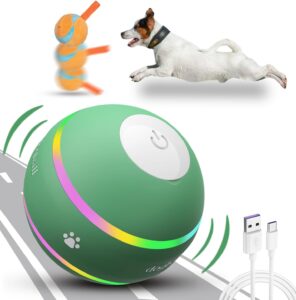
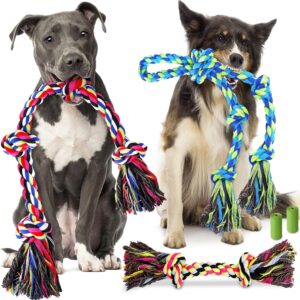
- Interactive Toys: Puzzle toys and treat-dispensing toys can provide mental stimulation and keep your dog occupied.
- Training Sessions: Regular training sessions not only reinforce good behavior but also build confidence and security.
Behavioral Training
Implementing specific training techniques can help reduce anxiety-related behaviors. Consider the following:
- Command Training: Teach commands like “stay” and “settle” to encourage calm behavior.
- Positive Reinforcement: Reward your dog for calm behavior and gradually introduce departures as part of the training routine.
- Counter-Conditioning: Associate your departures with positive experiences, such as giving your dog a treat before leaving.
Professional Assistance
If your dog’s anxiety remains severe, seeking professional help can be beneficial. A certified dog trainer or animal behaviorist can provide tailored strategies and support. In some cases, consulting a veterinarian for medications or supplements may be necessary to manage extreme anxiety.
Preventive Measures
Early Socialization
Ensuring your dog is well-socialized from a young age can prevent the development of anxiety-related behaviors. Expose your puppy to various environments, people, and other animals to build confidence and adaptability.
Consistent Routine
Establishing a consistent daily routine helps your dog understand what to expect, reducing uncertainty and anxiety. Feed, walk, and play with your dog at regular intervals to establish stability.
Independence Training
Encouraging your dog to be comfortable with independence is key. Start by allowing your dog to spend time in a separate room for short periods while you are at home. Gradually increase the duration as your dog becomes more comfortable being alone.
Conclusion
Addressing separation anxiety in dogs requires patience, consistency, and understanding. By employing a combination of strategies, you can help your dog feel more secure and confident when left alone. Remember that each dog is unique, and what works for one may not work for another. With time and dedication, you can alleviate your dog’s anxiety and foster a peaceful, harmonious relationship.
#ChatGPT assisted in the creation of this article.