Creating a comfortable, safe, and enriching environment for your small pet is crucial to ensuring their well-being and happiness. Whether you have a hamster, guinea pig, rabbit, or any other small companion, optimizing their living space is key to fostering a healthy lifestyle. This article will provide you with comprehensive insights into making your small pet’s home an ideal habitat, focusing on essential tips for housing, enrichment, cleanliness, and safety.
Choosing the Right Housing
The foundation of your small pet’s well-being starts with choosing the right housing. The type and size of the enclosure will depend on your pet species, their size, and their specific needs.
Size Matters
When selecting a cage or enclosure, bigger is always better. Small pets need ample space to move around, exercise, and explore. For example, a hamster requires at least 450 square inches of floor space, while a rabbit needs a minimum of 8 square feet with an additional exercise area. Providing enough space helps prevent obesity and encourages natural behaviors.
Material and Ventilation
Choose a cage made from pet-safe materials. Wire cages with a solid base or glass tanks with a mesh lid are popular choices. Ensure there is enough ventilation to maintain air quality and prevent respiratory issues. Avoid cages with wire floors as they can harm your pet’s feet.
Accessibility and Security
Make sure the housing is easily accessible for cleaning and interacting with your pet. Secure locks or latches are essential to prevent escapes and protect your pet from potential predators, especially for outdoor enclosures.
Creating a Comfortable Environment
A comfortable environment enhances your small pet’s quality of life. Pay attention to bedding, temperature, and lighting to create a cozy and safe habitat.
Bedding and Substrate
Choose soft, absorbent bedding material that is easy to clean. Avoid using cedar or pine shavings, as their aromatic oils can be harmful. Opt for aspen shavings, paper-based bedding, or hay, depending on your pet’s needs. Provide enough bedding for burrowing and nesting.
Temperature and Humidity
Maintain an appropriate temperature range for your pet species. Most small pets thrive in temperatures between 65°F and 75°F. Avoid placing the enclosure in direct sunlight or near drafts. Monitor humidity levels, especially for species like reptiles or amphibians, to prevent dehydration or respiratory issues.
Lighting
Ensure your pet is exposed to a natural day-night cycle. For indoor pets, provide a regular light schedule using lamps or natural sunlight. Avoid placing the enclosure in areas with constant artificial lighting, as it can disrupt their circadian rhythm.
Enrichment and Mental Stimulation
Enrichment is vital for preventing boredom and promoting mental and physical health. Offer a variety of toys, activities, and opportunities for exploration to keep your small pet engaged.
Toys and Chews
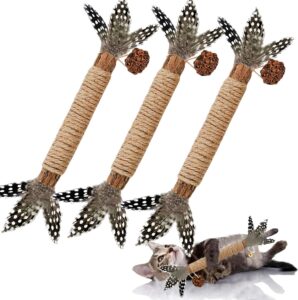
Provide a selection of toys and chew items suitable for your pet’s size and species. Chew toys are especially important for rodents and rabbits to maintain dental health. Rotate toys regularly to keep your pet interested and stimulated.
Interactive Play
Engage in interactive play sessions with your pet. This can include supervised time outside the cage in a pet-safe area, puzzle feeders, or obstacle courses. Tailor activities to your pet’s preferences and abilities.
Natural Behaviors
Encourage natural behaviors such as digging, climbing, and foraging. Provide opportunities for tunneling with tubes or hideouts, climbing structures, and scatter feeding. Mimicking their wild habits enriches their environment and reduces stress.
Maintaining Cleanliness
A clean environment is essential for preventing illness and promoting your pet’s health. Regular cleaning routines will help maintain hygiene and make your pet’s home more pleasant.
Regular Cleaning Schedule
Establish a cleaning routine that includes spot cleaning daily and a thorough cleaning weekly. Remove uneaten food, soiled bedding, and waste regularly. Replace bedding and clean surfaces with pet-safe disinfectants.
Deep Cleaning
Perform a deep clean of the enclosure at least once a month. This involves dismantling the cage, washing all components, and replacing worn-out accessories. Ensure everything is dry before reassembling.
Personal Hygiene
Practice good personal hygiene by washing your hands before and after handling your pet or their belongings. This prevents the spread of germs and keeps both you and your pet healthy.
Ensuring Safety
Safety is paramount when designing your small pet’s home. Identify potential hazards and take steps to mitigate risks.
Escape Prevention
Regularly inspect the cage for signs of wear or damage that could lead to escapes. Ensure all latches and locks are secure, and supervise your pet during out-of-cage time, especially if they have a tendency to chew through barriers.
Protect from Predators
If your pet’s enclosure is outdoors or in a garage, ensure it is predator-proof. Use sturdy materials and consider adding a secondary barrier. Indoor pets should be protected from other household animals that may pose a threat.
Environmental Hazards
Keep the enclosure away from hazardous areas like kitchens or workshops. Ensure there are no electrical wires, toxic plants, or small objects within reach that could be ingested or cause injury.
Conclusion
Optimizing your small pet’s home involves careful consideration of their housing, environment, enrichment, cleanliness, and safety. By providing a spacious, comfortable, and stimulating habitat, you promote their physical and mental well-being, leading to a happier and healthier pet. Remember, a well-optimized home is a cornerstone of responsible pet ownership, ensuring your small companion thrives under your care.
#ChatGPT assisted in the creation of this article.