Understanding the Aging Process in Cats
As cats age, their needs and behaviors evolve. Just like humans, senior cats require special attention to maintain their health and well-being. Generally, cats are considered seniors when they reach around 11 years of age. Understanding the aging process can help cat owners provide the best possible care for their feline friends.
Recognizing Signs of Aging
It’s crucial to recognize the signs of aging in your cat to address any concerns promptly. Common signs include decreased mobility, changes in appetite, weight fluctuations, increased vocalization, and altered sleeping patterns. Senior cats might also exhibit signs of cognitive decline, such as disorientation or confusion.
Veterinary Care for Senior Cats
Regular Check-ups
Regular veterinary check-ups are essential for senior cats. These visits help monitor your cat’s health, identify potential issues early, and update vaccinations. It is recommended that senior cats visit the veterinarian at least twice a year.
Common Health Issues
Senior cats are susceptible to various health issues, including arthritis, dental disease, kidney disease, hyperthyroidism, and diabetes. Early detection and treatment of these conditions can significantly improve your cat’s quality of life.
Nutrition and Diet
Special Dietary Needs
As cats age, their dietary needs change. Senior cats often require diets that are lower in calories but rich in essential nutrients. High-quality senior cat food is formulated to support their aging bodies, providing the right balance of proteins, fats, and carbohydrates.
Hydration
Ensuring your senior cat stays hydrated is vital. Older cats are prone to kidney issues, and adequate water intake can help mitigate these problems. Consider providing wet food, which has a higher moisture content, or investing in a cat water fountain to encourage drinking.
Maintaining a Healthy Weight
Weight management is crucial for senior cats. Obesity can exacerbate health problems, while being underweight might indicate underlying health issues. Work with your veterinarian to establish a healthy weight range for your cat and adjust their diet and exercise routine accordingly.
Exercise and Mental Stimulation
Physical Activity
While senior cats may not be as energetic as their younger counterparts, regular physical activity is still important. Gentle play sessions can help maintain muscle tone and prevent obesity. Use toys that encourage movement without straining your cat’s joints.
Mental Stimulation
Cognitive decline is common in older cats, but mental stimulation can help keep their minds sharp. Puzzle feeders, interactive toys, and new experiences can provide the necessary mental exercise. Rotate toys regularly to keep your cat engaged.
Comfortable Living Environment
Accessibility
Ensure that your home is accessible for your senior cat. Provide ramps or steps to help them reach favorite resting spots. Consider placing litter boxes and feeding stations in easily accessible locations to minimize stress.
Comfortable Resting Spots
Older cats spend more time resting, so provide comfortable and warm sleeping areas. Orthopedic beds can offer support for achy joints and improve overall comfort.
Grooming and Hygiene
Coat Care
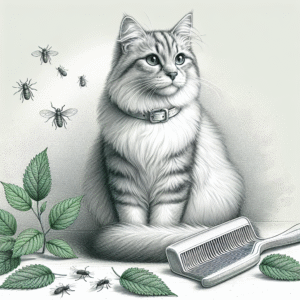
Senior cats might not groom themselves as efficiently as they once did. Regular brushing helps prevent matting and stimulates circulation. Pay attention to any changes in coat condition, which might indicate health issues.
Dental Health
Dental disease is common in senior cats. Regular dental check-ups and cleanings, along with at-home dental care like brushing and dental treats, can help maintain oral health.
Managing Behavioral Changes
As cats age, they may exhibit behavioral changes due to cognitive decline or health issues. Increased vocalization, litter box avoidance, or aggression might all be signs that your cat needs veterinary attention. Understanding and addressing these behaviors is crucial for their well-being.
End-of-Life Care and Quality of Life
Recognizing the Signs
Recognizing when your cat’s quality of life is diminishing is vital. Loss of appetite, severe weight loss, constant pain, and disinterest in activities are indicators that it might be time to consider end-of-life care options.
Making Decisions
Discuss options with your veterinarian to determine the best course of action for your senior cat. This might include palliative care, hospice care, or, when appropriate, humane euthanasia to prevent unnecessary suffering.
Conclusion
Caring for a senior cat can be a rewarding experience, allowing you to bond with your pet during their golden years. By understanding their changing needs and providing comprehensive care, you can ensure your feline companion enjoys a comfortable, healthy, and happy life in their senior years.
#ChatGPT assisted in the creation of this article.