Birds are diverse creatures with dietary needs that vary significantly across species. Whether you’re caring for a parrot, canary, finch, or any other bird, understanding the essentials of avian nutrition is crucial. A well-balanced diet is fundamental to the health, longevity, and vitality of birds. To optimize avian health, it’s essential to consider the natural diet of your bird species, their nutritional requirements, and the best practices for feeding them.
The Basics of Bird Nutrition
Birds require a variety of nutrients, including carbohydrates, proteins, fats, vitamins, and minerals. These nutrients play vital roles in maintaining energy levels, supporting growth, and ensuring proper functioning of bodily systems.
Carbohydrates
Carbohydrates are the primary energy source for birds. They are found in grains, seeds, fruits, and vegetables. It’s important to provide a mix of simple and complex carbohydrates to maintain steady energy levels.
Proteins
Proteins are crucial for growth, immune function, and tissue repair. Sources include seeds, nuts, legumes, and certain animal proteins, such as insects or eggs, depending on the bird species.
Fats
Fats are a concentrated energy source and are necessary for healthy skin and feathers. Seeds and nuts often provide essential fatty acids, which are critical for avian health.
Vitamins and Minerals
Vitamins like A, D, E, and K, and minerals such as calcium, phosphorus, and iron, are essential for various physiological functions, including bone health, vision, and blood formation. A varied diet usually covers these needs, but supplements can be necessary in some cases.
Species-Specific Diet Considerations
Different bird species have evolved to thrive on specific diets. Understanding your bird’s natural dietary habits is essential for providing optimal nutrition.
Psittacines (Parrots)
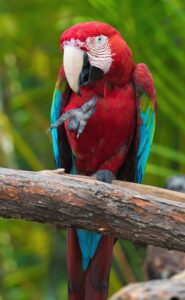
Parrots are often seed-based eaters in the wild, but domesticated parrots benefit from a more varied diet. A combination of high-quality pellets, fresh fruits, vegetables, and occasional seeds can prevent nutritional deficiencies.
Passerines (Songbirds)
Songbirds like canaries and finches typically eat a diet rich in seeds. However, incorporating fresh greens and fruits can enhance their diet. Protein sources like egg food or insects are also beneficial, especially during breeding.
Raptors
Birds of prey require a diet rich in animal protein. Whole prey items, such as mice or quail, provide balanced nutrition, including necessary bone and organ content.
Creating a Balanced Diet
Ensuring a balanced diet involves more than just offering a variety of foods. It’s about understanding the proportion and frequency of different food types.
Pellets
High-quality commercial pellets are formulated to provide a balanced mix of nutrients. They should make up a significant portion of the diet, especially for parrots and similar species.
Fresh Produce
Fruits and vegetables are vital for providing vitamins, minerals, and natural sugars. Offer a variety of produce, such as leafy greens, carrots, berries, and apples, while avoiding toxic items like avocado and chocolate.
Seeds and Nuts
These are energy-dense foods and should be given in moderation. While they are part of a natural diet, over-reliance on seeds can lead to obesity and nutritional imbalances.
Supplementing the Diet
Supplements can be beneficial, particularly if a bird’s diet lacks certain nutrients. However, they should be used judiciously.
Calcium and Vitamin D
These are essential for bone health. Calcium supplements or cuttlebone can be provided, especially to egg-laying females. Ensure birds receive adequate sunlight or UV light for vitamin D synthesis.
Probiotics and Digestive Enzymes
These supplements can aid digestion and enhance nutrient absorption, particularly after antibiotic treatments or during stress.
Feeding Practices for Optimal Health
In addition to diet composition, feeding practices play a crucial role in avian health.
Regular Feeding Schedules
Establish and maintain consistent feeding times to regulate metabolism and prevent overeating or food hoarding.
Clean Feeding Environment
Clean cages, bowls, and feeding areas regularly to prevent bacterial growth and food spoilage.
Observation and Adjustment
Monitor your bird’s eating habits and adjust their diet as needed. Weight changes, behavior, and feather condition can indicate dietary deficiencies or excesses.
Common Dietary Mistakes to Avoid
Despite the best intentions, certain feeding practices can inadvertently harm birds.
Overfeeding Seeds
While seeds are a natural part of many birds’ diets, overfeeding can lead to obesity and nutritional imbalances. Moderation is key.
Ignoring Species-Specific Needs
Each species has unique dietary requirements. A diet suitable for one bird may not meet another’s nutritional needs.
Offering Harmful Foods
Avoid foods toxic to birds, such as chocolate, caffeine, alcohol, onions, and garlic. Always research before introducing new foods.
Conclusion
Optimizing avian health through diet involves understanding the specific nutritional needs of your bird species, providing a balanced and varied diet, and maintaining good feeding practices. By paying close attention to what and how you feed your bird, you can ensure they lead a healthy, vibrant life.
#ChatGPT assisted in the creation of this article.