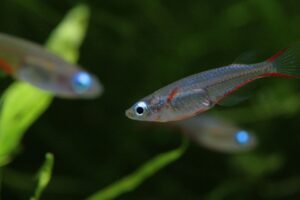
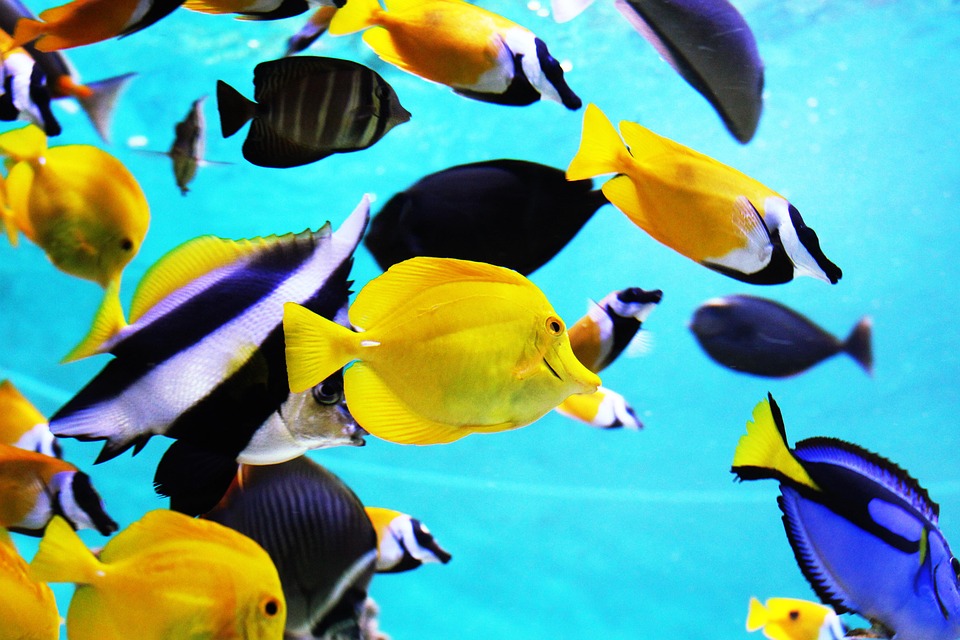
Tropical fish are a popular choice for both novice and experienced aquarists due to their vibrant colors, diverse species, and relatively manageable care requirements. However, ensuring a healthy and thriving aquarium environment requires a good understanding of the specific needs of these fish. This guide will explore the essential aspects of tropical fish care, providing expert tips to help you create a sustainable and beautiful aquatic habitat.
Setting Up Your Aquarium
Choosing the Right Tank
When selecting an aquarium, consider the size and material. Generally, larger tanks are more forgiving for beginners because they provide a more stable environment. A 20-gallon tank is a good starting point for beginners. Glass tanks are popular due to their durability, while acrylic tanks are lighter and more impact-resistant.
Location and Placement
The placement of your tank is crucial. Avoid areas with direct sunlight to prevent overheating and excessive algae growth. Ensure the surface is sturdy and level to support the weight of the filled aquarium. A location with easy access to electrical outlets and water sources will make maintenance tasks more convenient.
Essential Equipment
Equip your aquarium with the necessary tools to maintain a healthy environment. Key equipment includes:
– **Filtration System**: A good filter removes waste, toxins, and debris, maintaining water quality. Choose a filter suitable for the size of your tank.
– **Heater**: Tropical fish require a stable temperature, typically between 75-80°F (24-27°C). A reliable heater with a thermostat ensures a consistent temperature.
– **Lighting**: Appropriate lighting enhances the appearance of your fish and supports plant growth. LED lights are energy-efficient and customizable.
– **Substrate and Decorations**: The substrate (gravel or sand) and decorations (rocks, plants, and ornaments) not only provide aesthetic appeal but also offer hiding places and territories for fish.
Water Quality Management
Cycling Your Tank
Before adding fish, cycle your tank to establish beneficial bacteria. This process breaks down harmful ammonia into nitrites and then nitrates, which are less harmful. Cycling can take 4-6 weeks, and testing kits are essential to monitor levels.
Regular Water Testing
Regular testing of water parameters is crucial. Key parameters to monitor include ammonia, nitrite, nitrate, pH, and hardness. Strive to maintain stable levels to prevent stress and disease in your fish.
Water Changes
Perform regular water changes to remove waste and replenish essential minerals. Change 10-15% of the water weekly, using a siphon to clean the substrate. Always condition new water to remove chlorine and chloramines.
Selecting and Introducing Fish
Choosing Suitable Species
Select fish species that are compatible with each other and suited for your tank size. Consider factors such as temperament, size, and dietary needs. Popular beginner species include guppies, tetras, and mollies.
Quarantining New Additions
Quarantine new fish in a separate tank for 2-4 weeks to monitor for signs of illness. This practice helps prevent the spread of diseases to your established aquarium.
Acclimating Fish
Proper acclimation reduces stress and increases the chances of survival. Float the sealed bag in the tank for 15-20 minutes to equalize temperature. Gradually add small amounts of tank water to the bag over an hour before releasing the fish.
Feeding Your Tropical Fish
Understanding Dietary Needs
Research the specific dietary needs of your fish species. Most tropical fish thrive on a varied diet that includes high-quality flakes, pellets, frozen and live foods.
Feeding Schedule
Feed your fish 1-2 times daily, offering only what they can consume in 2-3 minutes. Overfeeding can lead to water quality issues and health problems.
Maintaining a Healthy Environment
Monitoring Fish Health
Observe your fish daily for signs of illness such as lethargy, loss of appetite, or unusual behavior. Early detection of health issues can prevent outbreaks and loss of fish.
Handling Common Problems
Be prepared to address common issues like ich, fin rot, and algae blooms. Research treatments and consult with a veterinarian or experienced aquarist if needed.
Plant Care
Live plants not only enhance the aesthetic of your aquarium but also improve water quality by absorbing nitrates. Ensure your plants receive adequate light and nutrients, trimming as necessary to prevent overgrowth.
Conclusion
Caring for tropical fish can be a rewarding experience that brings a slice of vibrant aquatic life into your home. By understanding and implementing the essential practices outlined in this guide, you can ensure a healthy and thriving environment for your fish. With patience, attention to detail, and a commitment to ongoing learning, your aquarium can become a stunning centerpiece and a source of endless fascination.
#ChatGPT assisted in the creation of this article.