
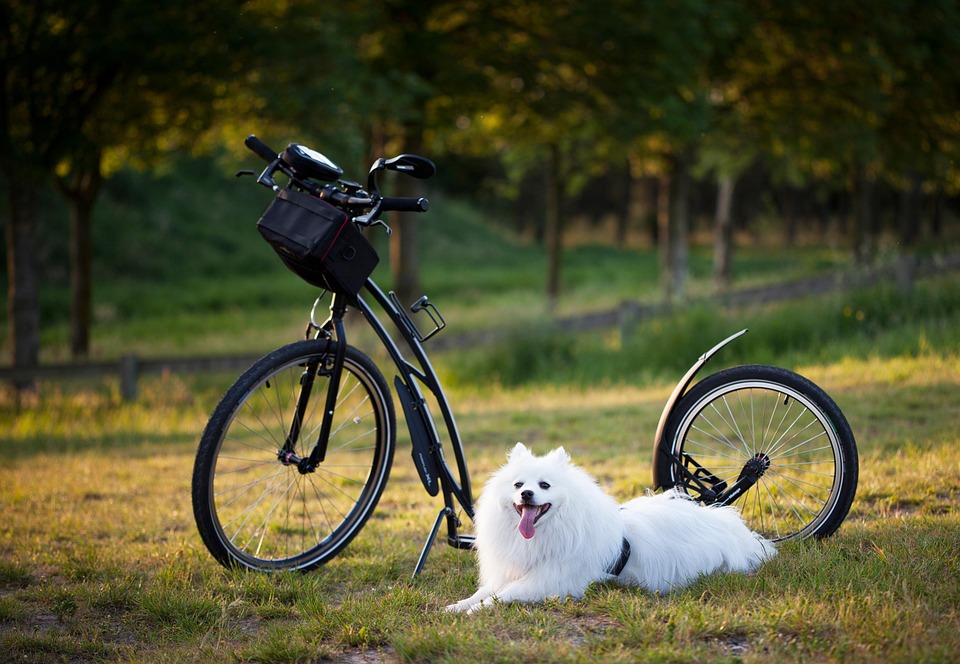
Exercise is a crucial component of a dog’s daily routine, contributing significantly to their overall health and well-being. Just like humans, dogs need physical activity to maintain a healthy weight, build strong muscles, and support mental health. This article will provide comprehensive guidance on how to ensure your dog gets the most out of their daily exercise routine.
Understanding Your Dog’s Exercise Needs
Each dog is unique, and their exercise needs can vary greatly based on factors such as breed, age, health, and individual personality. Understanding these needs is the first step in developing an effective exercise regimen.
Breed-Specific Requirements
Certain breeds have higher energy levels and thus require more exercise. For instance, working breeds like Border Collies, Australian Shepherds, and Labrador Retrievers are known for their high energy and stamina, often necessitating more vigorous and longer exercise sessions. Conversely, smaller or less active breeds, such as Bulldogs or Shih Tzus, may benefit from shorter, less intense activities.
Age Considerations
Puppies generally have bursts of energy followed by periods of rest. Short, frequent play sessions are more suitable than long walks. On the other hand, senior dogs may require less vigorous exercise but still benefit from regular, gentle activity to maintain joint health and mental stimulation.
Health Factors
Dogs with specific health conditions or those recovering from surgery may need tailored exercise plans. Consulting with a veterinarian is essential to determine the right type and amount of exercise that aligns with their health needs.
Types of Exercises for Dogs
Providing a variety of exercises not only meets your dog’s physical needs but also keeps them mentally stimulated. Here are some popular and effective exercise options for dogs:
Walking and Hiking
Walking is the most basic form of exercise and is suitable for all dogs. It’s a great way to bond with your pet while allowing them to explore the environment and socialize. For more adventurous dogs, hiking can provide both physical challenges and mental stimulation through different terrains and scents.
Running and Fetch
Running is excellent for high-energy dogs. It’s important to build up your dog’s endurance gradually, especially if they are not used to running long distances. Playing fetch is another excellent way to engage dogs in vigorous activity. It combines physical exertion with the mental challenge of retrieving objects.
Swimming
Swimming is an excellent low-impact exercise that is particularly beneficial for dogs with joint issues or arthritis. It provides a full-body workout and is a great way for dogs to cool off in hot weather. Always supervise your dog while swimming, especially in natural bodies of water.
Agility Training
Agility courses provide a fun, challenging workout for dogs, enhancing their coordination, speed, and mental acuity. These activities are well-suited for intelligent, high-energy breeds and can be set up in a backyard or local training facility.
Interactive Toys and Games
Interactive toys, such as treat-dispensing puzzles, are great for mental stimulation and can also encourage physical activity. Games like hide and seek or tug-of-war can also provide both physical and mental engagement.
Establishing a Routine
Consistency is key in maintaining an effective exercise regimen. Establishing a regular schedule helps your dog know what to expect and can improve their behavior and mood.
Setting a Schedule
Try to exercise your dog at the same times each day. This consistency helps with training and behavior management, as dogs thrive on routine. Morning walks can energize your dog for the day, while evening walks can help burn off excess energy before bedtime.
Monitoring Progress and Adjusting
Pay attention to your dog’s response to their exercise routine. Signs of over-exercise include excessive panting, limping, or reluctance to participate. Conversely, if your dog seems restless or exhibits destructive behavior, they may require more physical activity.
Safety Tips for Exercising Your Dog
Ensuring your dog’s safety during exercise is paramount. Here are some important considerations:
Weather Conditions
Be mindful of the weather, as extreme temperatures can be harmful. During hot weather, exercise in the early morning or late evening to avoid heatstroke. In cold weather, consider shorter walks and invest in protective gear if necessary. Always ensure your dog has access to fresh water.
Leash and Gear
Use appropriate gear, such as a well-fitted harness and leash, to ensure your dog’s safety, especially in busy or unfamiliar areas. Reflective gear is beneficial for evening walks to enhance visibility.
Health Check-Ups
Regular veterinary check-ups are essential to assess your dog’s health and suitability for various types of exercise. Discuss any concerns with your vet, especially if introducing new activities or increasing exercise intensity.
Incorporating Mental Stimulation
Physical exercise alone might not be sufficient for breeds that require significant mental challenges. Incorporating mental stimulation into your dog’s routine can prevent boredom and improve behavior.
Training Sessions
Training sessions that involve obedience commands or learning new tricks can be mentally engaging for dogs. Positive reinforcement techniques help keep these sessions enjoyable and rewarding.
Puzzle Toys and Enrichment Activities
Puzzle toys that require problem-solving to access treats can keep your dog mentally active. Additionally, enrichment activities such as scent games or obstacle courses can provide both mental and physical challenges.
Conclusion
Regular exercise is vital for a dog’s physical health, mental well-being, and overall happiness. By understanding your dog’s specific needs, incorporating a variety of exercise types, and maintaining a consistent routine, you can ensure your dog lives a healthy, active life. Always prioritize safety and consult with your veterinarian to tailor an exercise regimen that best suits your furry friend’s needs.
#ChatGPT assisted in the creation of this article.