Birds are fascinating creatures, each species boasting unique features that set them apart. One of the most defining characteristics of birds is their beaks, which serve a variety of functions including feeding, preening, and defense. However, for many bird species, especially those kept as pets, regular beak maintenance is crucial. This comprehensive guide will explore the importance of bird beak trimming, the tools and techniques required, and essential tips to ensure the health and well-being of your avian friend.
Understanding Bird Beaks
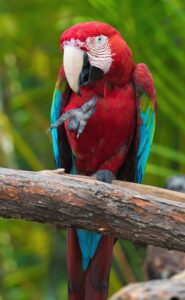
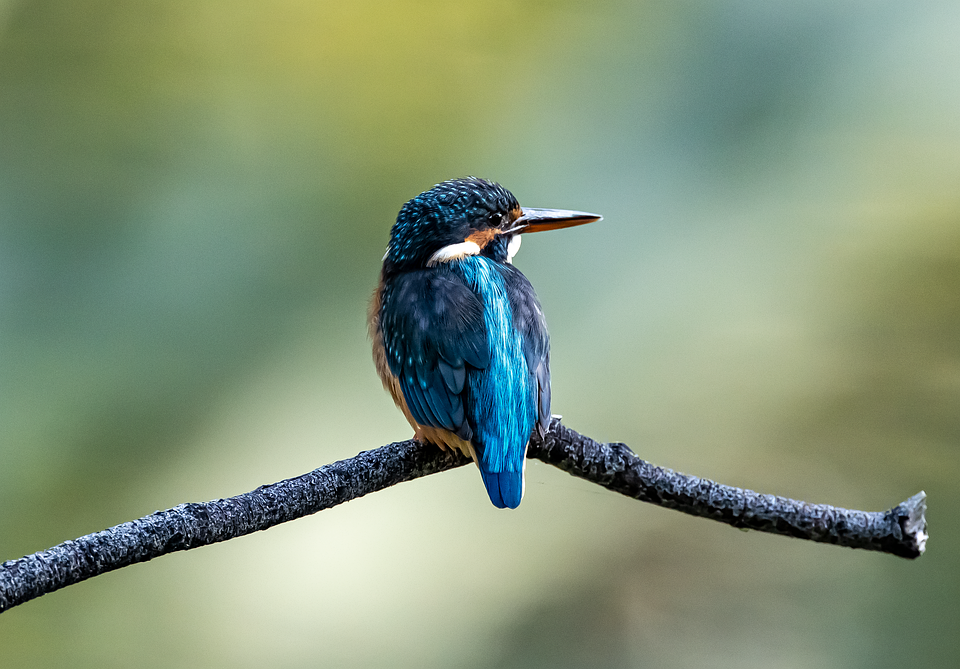
Bird beaks, scientifically known as bills, are complex structures composed of a bony core covered by a layer of keratin. This keratin layer is similar to human fingernails and continuously grows throughout a bird’s life. The shape, size, and strength of a bird’s beak are adapted to its dietary needs and lifestyle. For instance, raptors have sharp, hooked beaks for tearing flesh, while parrots have strong, curved beaks for cracking nuts.
The Role of Beaks in Bird Health
A healthy beak is vital for a bird’s survival, as it is instrumental in feeding, grooming, and manipulating objects. In captivity, where birds may not naturally wear down their beaks through normal activities, overgrowth can occur. An overgrown or misshapen beak can impede a bird’s ability to eat, drink, and perform other essential behaviors, potentially leading to malnutrition or stress.
Why Beak Trimming is Necessary
In the wild, birds naturally maintain their beaks through activities such as foraging, chewing on branches, and preening. However, pet birds may not engage in these behaviors as frequently, making beak trimming a necessary intervention. Here are some reasons why beak trimming is crucial:
Preventing Overgrowth
Overgrown beaks can lead to a host of problems, including difficulty eating and drinking, discomfort, and even injury to the bird or its companions. Regular trimming helps prevent these issues, ensuring your bird remains healthy and comfortable.
Correcting Beak Deformities
Some birds may develop beak deformities due to genetic factors, injury, or nutritional deficiencies. Trimming can help manage these deformities, improving the bird’s quality of life and enabling it to perform essential functions.
Maintaining Beak Functionality
A properly trimmed beak allows a bird to engage in natural behaviors such as foraging and preening, which are important for its mental and physical well-being.
Tools and Supplies for Beak Trimming
Before embarking on beak trimming, it is essential to gather the right tools and supplies. Using the correct equipment ensures the process is safe and effective for both you and your bird.
Trimming Tools
1. **Beak Trimmers**: These are specially designed tools for trimming bird beaks. They come in various sizes to accommodate different beak shapes and sizes.
2. **Nail Clippers**: For smaller birds, human nail clippers or dog nail clippers can be used to trim the beak carefully.
3. **Dremel Tool**: A Dremel rotary tool with a grinding attachment can be used for more precise trimming and shaping of beaks.
Additional Supplies
1. **Styptic Powder**: This is essential for stopping any bleeding that may occur during trimming.
2. **Towel**: A towel can be used to gently restrain your bird during the trimming process.
3. **Treats and Distractions**: Having some treats on hand can help keep your bird calm and reward it after the trimming session.
Step-by-Step Guide to Beak Trimming
Trimming a bird’s beak requires patience, precision, and care. It’s important to approach the task with confidence to minimize stress for both you and your bird.
Step 1: Preparation
– **Research**: Familiarize yourself with the specific beak structure of your bird species to ensure you understand its natural shape and length.
– **Gather Supplies**: Ensure all your tools and supplies are within reach before starting.
– **Calm Environment**: Choose a quiet, well-lit area to perform the trimming, minimizing distractions and noise.
Step 2: Restraining the Bird
– **Towel Method**: Gently wrap your bird in a towel, leaving its head exposed. This helps keep the bird calm and prevents sudden movements.
– **Assistant**: If possible, have an assistant hold the bird while you focus on trimming.
Step 3: Trimming the Beak
– **Examine the Beak**: Assess the current state of your bird’s beak, identifying any areas of overgrowth or deformity.
– **Trim Carefully**: Using your chosen tool, carefully trim the beak in small increments. Avoid cutting too close to the blood vessels near the beak’s base.
– **Shape the Beak**: If necessary, use a Dremel tool to shape the beak and smooth any rough edges.
Step 4: Post-Trimming Care
– **Check for Bleeding**: Apply styptic powder to any areas that may bleed slightly during trimming.
– **Offer Treats**: Reward your bird with a favorite treat to help it associate the experience with positive outcomes.
– **Monitor the Bird**: Observe your bird over the next few days to ensure it is eating and behaving normally.
When to Seek Professional Help
While many bird owners can successfully trim their bird’s beak at home, certain situations may require professional intervention.
Severe Overgrowth or Deformities
If your bird’s beak is severely overgrown or deformed, it may be best to consult a veterinarian or avian specialist. They have the expertise and tools to address complex beak issues.
Nervous or Aggressive Birds
If your bird becomes highly stressed or aggressive during beak trimming, seeking professional help may be the safest option for both you and your bird.
Preventative Measures for Beak Health
In addition to regular trimming, there are several preventative measures you can take to promote the health of your bird’s beak.
Provide Chew Toys
Offering a variety of safe, bird-friendly chew toys encourages natural beak wear and helps prevent overgrowth.
Ensure a Balanced Diet
A balanced diet rich in essential nutrients supports overall beak health and prevents deformities related to nutritional deficiencies.
Encourage Natural Behaviors
Stimulate your bird’s natural behaviors by providing opportunities for foraging, climbing, and exploring. These activities contribute to healthy beak maintenance.
Conclusion
Regular beak trimming is an essential aspect of bird care, ensuring your feathered friend remains healthy and comfortable. By understanding the importance of beak maintenance, using the right tools and techniques, and taking preventative measures, you can promote optimal beak health for your bird. Remember, when in doubt, seek professional help to ensure the best possible care for your avian companion. With proper attention and care, your bird will thrive, showcasing its natural beauty and charm for years to come.
#ChatGPT assisted in the creation of this article.