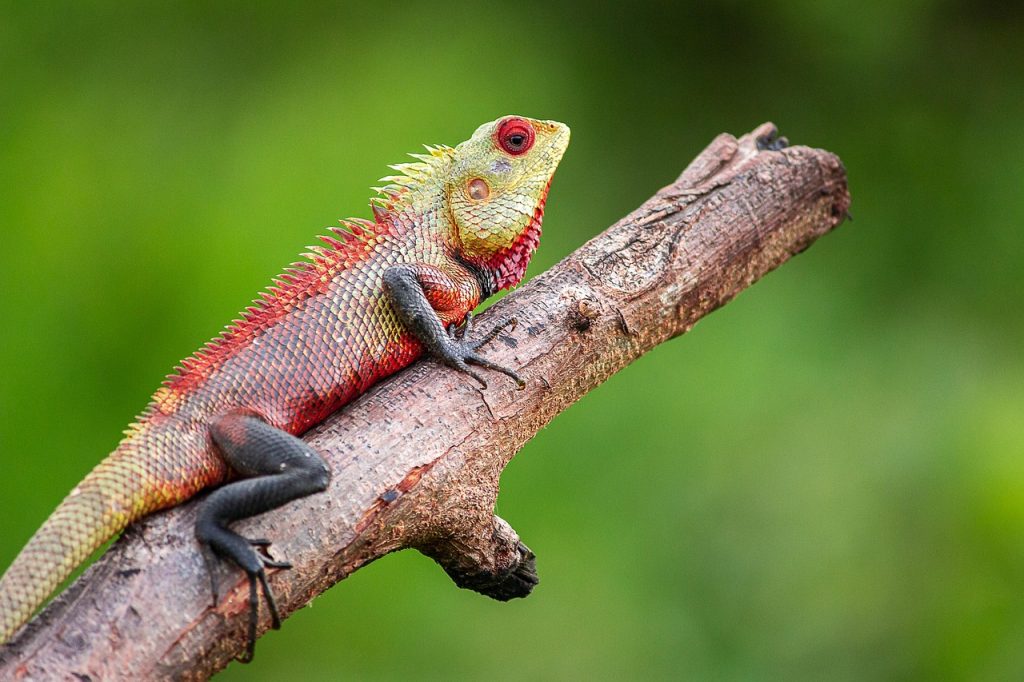
Keeping reptiles as pets can be a rewarding experience, offering a unique glimpse into the world of these fascinating creatures. However, maintaining a clean and healthy environment is crucial for their well-being. A clean reptile tank not only ensures the health of your pet but also prevents unpleasant odors and the growth of harmful bacteria. This article will guide you through the essential steps and tips needed to master the art of cleaning reptile tanks, ensuring a thriving habitat for your scaly friends.
Understanding the Importance of a Clean Habitat
Before diving into the cleaning process, it’s important to understand why a clean tank is vital for your reptile’s health. Reptiles are particularly susceptible to infections and diseases caused by bacteria and parasites. A dirty tank can become a breeding ground for these harmful pathogens, leading to respiratory issues, skin infections, and other health problems. Regular cleaning helps to minimize these risks and creates a comfortable environment for your pet to thrive.
Essential Supplies for Cleaning Reptile Tanks
To efficiently clean your reptile tank, you’ll need the right tools and supplies. Here’s a list of essentials to have on hand:
- Gloves: Protect your hands from potential bacteria and chemicals.
- Scrub Brushes: Use different sizes for scrubbing various surfaces.
- Non-Toxic Cleaners: Choose reptile-safe cleaning solutions, or make a diluted vinegar solution (one part vinegar to two parts water) for a natural alternative.
- Paper Towels or Clean Cloths: For drying surfaces and removing debris.
- Siphon or Gravel Vacuum: Essential for cleaning substrate and removing waste.
- Replacement Substrate: Have extra substrate on hand for when old material needs replacing.
- Disinfectant: Use a reptile-safe disinfectant for deeper cleaning sessions.
Preparing for the Cleaning Process
Before you begin cleaning, it’s important to prepare both your reptile and the tank. Follow these steps for a smooth process:
Relocate Your Reptile
Safely transfer your reptile to a temporary enclosure. Ensure the temporary habitat has appropriate heat, humidity, and shelter to keep your pet comfortable during the cleaning process.
Remove Accessories and Decorations
Take out all accessories, such as water dishes, hides, and decorations. Clean these separately to ensure all surfaces are free from debris and bacteria.
Step-by-Step Guide to Cleaning the Tank
With your reptile safely relocated and accessories removed, follow these steps to thoroughly clean the tank:
Step 1: Remove Waste and Debris
Use a scoop or paper towels to remove waste and uneaten food from the tank. This step helps reduce odor and prevents the buildup of harmful bacteria.
Step 2: Clean the Substrate
Depending on the type of substrate, you may need to replace or clean it. For loose substrates like sand or soil, use a siphon or gravel vacuum to remove debris. If using carpet or tiles, wash them with mild soap and water, then rinse thoroughly.
Step 3: Scrub the Tank Surfaces
Use a scrub brush and non-toxic cleaner to scrub the tank’s interior surfaces. Pay special attention to corners and crevices where grime can accumulate. Rinse thoroughly to ensure no cleaning residue remains.
Step 4: Disinfect the Tank
Apply a reptile-safe disinfectant to the tank surfaces and leave it for the recommended contact time. This step ensures that harmful pathogens are eliminated. Rinse the tank thoroughly after disinfecting.
Step 5: Clean Accessories and Decorations
Scrub accessories and decorations with a non-toxic cleaner, then rinse them well. Allow them to dry completely before returning them to the tank.
Reassembling the Tank
Once the tank and accessories are clean and dry, it’s time to reassemble the habitat:
Reinstall the Substrate
Add fresh or cleaned substrate back into the tank, ensuring an even layer that mimics the natural environment of your reptile.
Return Accessories and Decorations
Place accessories and decorations back into the tank, arranging them to provide ample hiding spots and climbing opportunities for your reptile.
Ensure Proper Temperature and Humidity
Check that the tank’s temperature and humidity levels are correct. Make any necessary adjustments to heating and misting systems to maintain optimal conditions.
Reintroduce Your Reptile
Once you’re satisfied with the setup, carefully return your reptile to its clean habitat. Observe your pet to ensure it acclimates well and exhibits normal behavior.
Establishing a Cleaning Routine
Regular maintenance is key to keeping your reptile’s habitat clean and healthy. Establish a cleaning routine that includes:
Daily Spot Cleaning
Remove waste and uneaten food daily to prevent odor and bacteria buildup. Spot cleaning helps maintain a tidy environment and reduces the frequency of deep cleans.
Weekly Deep Cleaning
Conduct a more thorough cleaning of the tank and accessories on a weekly basis. This includes scrubbing surfaces, cleaning substrate, and disinfecting.
Monthly Overhaul
Perform a comprehensive cleaning every month, including a full substrate change and a detailed inspection of all equipment and decorations for wear or damage.
Conclusion
Mastering the art of cleaning reptile tanks is an essential skill for any reptile enthusiast. By understanding the importance of a clean habitat and following a structured cleaning routine, you can ensure the health and happiness of your scaly companion. Remember, a clean tank not only benefits your reptile but also enhances your enjoyment and appreciation of these captivating creatures. Through diligent care and attention, you’ll create a thriving environment where your reptile can flourish.
#ChatGPT assisted in the creation of this article.