
Creating a harmonious and peaceful aquarium is the dream of every aquarist, whether a novice or an experienced hobbyist. A crucial element in achieving this dream is understanding fish compatibility. The ultimate fish compatibility chart serves as a vital tool for ensuring that your aquatic environment is balanced and that its inhabitants coexist peacefully. This article will delve into the importance of fish compatibility, the factors influencing compatibility, and provide a detailed guide to creating a serene aquatic ecosystem.
Understanding Fish Compatibility
Fish compatibility refers to the ability of different fish species to coexist in the same tank without exhibiting aggressive or territorial behaviors. Incompatible fish combinations can lead to stress, illness, and even death among your aquatic pets. Therefore, understanding compatibility is essential for maintaining a healthy and vibrant aquarium.
Factors Influencing Fish Compatibility
Compatibility among fish is influenced by several factors, each of which must be considered when planning your aquarium.
Temperament
Fish have different personalities and temperaments. Some are peaceful and social, while others can be aggressive and territorial. It is crucial to match fish with similar temperaments to minimize aggression and stress. For example, pairing aggressive cichlids with peaceful tetras could lead to conflict and stress for the more passive species.
Size
The size of fish is a critical factor in compatibility. Larger fish may prey on smaller species, seeing them as food rather than tank mates. Therefore, ensuring that all fish in your tank are of a similar size can prevent predation and promote harmony.
Water Parameters
Different fish species thrive in specific water conditions, including temperature, pH, and hardness. Ensuring that all fish in the aquarium can tolerate the same water parameters is essential for their overall health and well-being. For instance, discus fish prefer warm, soft, and slightly acidic water, while African cichlids thrive in harder, more alkaline conditions.
Swimming Levels
Aquarium fish tend to inhabit different levels within the tank: top, middle, or bottom. Combining fish that occupy different swimming levels can help reduce competition for space and food, promoting a more balanced and peaceful environment. For example, surface-dwelling guppies can coexist well with bottom-dwelling catfish.
Feeding Habits
Fish have varied dietary needs, which must be considered when determining compatibility. Some fish are herbivores, while others are carnivores or omnivores. Mixing fish with different dietary requirements can lead to feeding issues, so it’s vital to ensure that all inhabitants can be adequately nourished.
Developing an Ultimate Fish Compatibility Chart
To create an ultimate fish compatibility chart, it’s essential to categorize fish species based on the factors mentioned above. Here is a guide to help you develop a chart tailored to your aquarium’s needs.
Step 1: List Potential Fish Species
Begin by listing the fish species you are interested in keeping. Research each species to gather information on their temperament, size, water parameter requirements, swimming levels, and feeding habits.
Step 2: Group Fish by Temperament
Categorize the fish into groups based on their temperaments: peaceful, semi-aggressive, and aggressive. This will help you identify which species can coexist harmoniously and which should be kept separate.
Step 3: Match Fish by Size
Ensure that the fish in each group are of a similar size to prevent predation. If size discrepancies exist, consider alternative species or tank setups.
Step 4: Align Water Parameters
Organize fish by their water parameter requirements, ensuring that all species within a group can thrive under the same conditions. This will help maintain the health and vitality of your aquarium inhabitants.
Step 5: Balance Swimming Levels
Aim to select fish that inhabit different swimming levels within the tank. This will minimize competition for space and create a dynamic and visually appealing aquatic environment.
Step 6: Harmonize Feeding Habits
Combine fish with similar dietary needs to ensure that all inhabitants are adequately nourished. This may involve selecting species with overlapping diets or providing a variety of foods that cater to different preferences.
Popular Compatible Fish Combinations
To help you get started, here are some popular fish combinations known for their compatibility:
Community Tank
A community tank is designed to house a variety of peaceful fish species that coexist harmoniously. Popular choices include:
* Tetras (e.g., neon, cardinal, and ember tetras)
* Guppies
* Corydoras catfish
* Dwarf gouramis
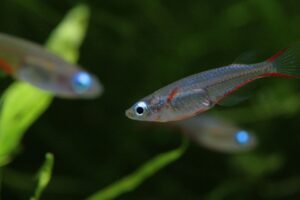
* Rasboras
These species are known for their peaceful nature and ability to thrive in similar water conditions, making them ideal for a community tank setup.
Cichlid Tank
While many cichlids are known for their aggressive behavior, some species can coexist peacefully if properly managed. Compatible cichlid combinations include:
* Angelfish
* Discus
* Bolivian rams
* Keyhole cichlids
These cichlids share similar water parameter preferences and temperaments, making them suitable for a dedicated cichlid tank.
Livebearer Tank
Livebearers are fish that give birth to live young, and many species are compatible with one another. Popular livebearer combinations include:
* Guppies
* Mollies
* Platies
* Swordtails
These species are known for their vibrant colors and active nature, making them a popular choice for aquarists seeking a lively tank setup.
Bottom-Dweller Tank
Bottom-dwelling fish are an excellent choice for adding variety to your aquarium, and many species can coexist peacefully. Compatible combinations include:
* Corydoras catfish
* Kuhli loaches
* Bristlenose plecos
* Otocinclus catfish
These species inhabit the lower levels of the tank, helping to maintain a balanced and diverse aquatic environment.
Conclusion
Creating a peaceful and harmonious aquarium is a rewarding endeavor that requires careful planning and consideration of fish compatibility. By understanding the factors that influence compatibility and using an ultimate fish compatibility chart, you can design an aquatic environment where your fish thrive and coexist peacefully. Whether you’re creating a community tank, a cichlid tank, or a specialized setup, the key to success lies in balancing the needs and temperaments of your fish species. With thoughtful planning and attention to detail, you can enjoy a serene and vibrant aquarium that brings joy and tranquility to your home.
#ChatGPT assisted in the creation of this article.