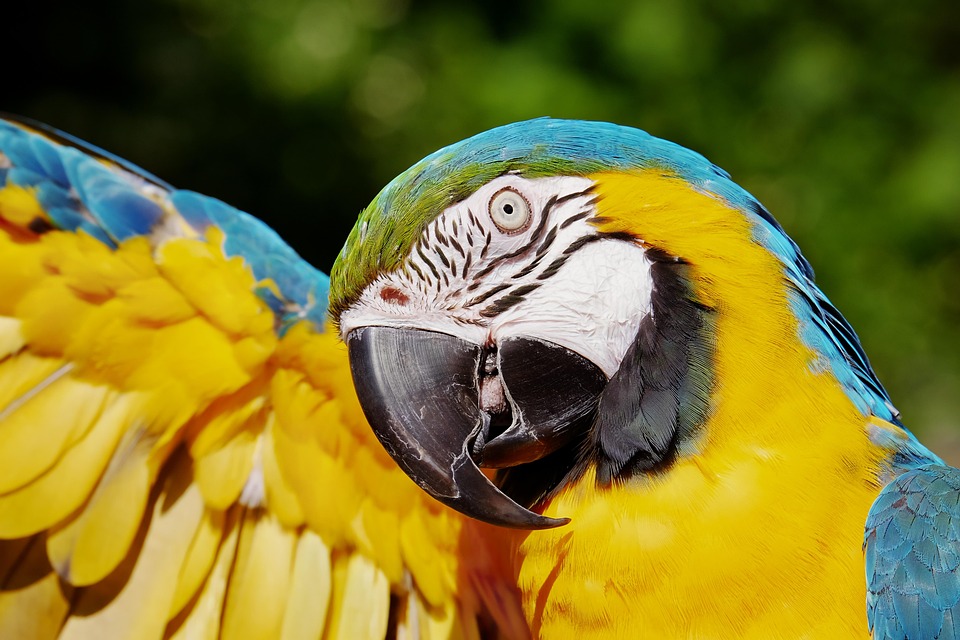
Parrots are vibrant, intelligent, and social creatures that make wonderful companions. Owning a parrot comes with the responsibility of ensuring its health and well-being, and grooming is a crucial aspect of this care. Proper grooming not only keeps your parrot looking its best but also plays a significant role in its overall health and happiness. In this article, we will explore the top parrot grooming tips to ensure your feathered friend remains in optimal condition.
Understanding Parrot Grooming Needs
Before diving into specific grooming tips, it’s essential to understand the unique grooming needs of parrots. Unlike other pets, parrots rely on their owners for certain grooming tasks due to their inability to perform them entirely on their own. These tasks include nail trimming, beak care, and feather maintenance. Regular grooming helps prevent health issues, behavioral problems, and discomfort for your parrot.
Regular Nail Trimming
Overgrown nails can cause discomfort and even lead to health problems for your parrot. Regular nail trimming is crucial to prevent these issues. Here are some tips for safe and effective nail trimming:
Use the Right Tools
Invest in a high-quality bird nail trimmer or grinder. These tools are specifically designed for bird nails and reduce the risk of injury.
Know the Anatomy
Understand the anatomy of your parrot’s nails. Avoid cutting into the quick, the sensitive part of the nail containing blood vessels. If you’re unsure, consult a veterinarian or professional groomer for guidance.
Provide a Safe Environment
Ensure your parrot is comfortable and secure during the trimming process. Use a towel to gently restrain your bird if necessary, but be cautious not to stress it out.
Beak Care
A healthy beak is crucial for your parrot’s ability to eat, climb, and interact with its environment. Beak overgrowth or deformities can lead to health issues, so it’s important to maintain its proper condition:
Monitor Beak Growth
Regularly inspect your parrot’s beak for signs of overgrowth or abnormalities. A healthy beak should be smooth, symmetrical, and free of cracks.
Provide Beak Conditioning Toys
Offer your parrot a variety of toys and natural wood perches to help naturally wear down its beak. Chewing on these items promotes healthy beak maintenance.
Consult a Veterinarian if Needed
If you notice any issues with your parrot’s beak, such as overgrowth or malformation, consult a veterinarian for appropriate care and treatment.
Feather Maintenance
Feathers are essential for a parrot’s insulation, flight, and communication. Proper feather maintenance is vital for your parrot’s overall health:
Encourage Bathing
Bathing is a natural behavior for parrots that helps keep their feathers clean and healthy. Offer your parrot regular opportunities to bathe, whether through a shallow dish of water, a misting spray, or showering with you.
Ensure a Balanced Diet
A balanced diet rich in essential nutrients supports healthy feather growth. Provide a variety of fruits, vegetables, seeds, and pellets to ensure your parrot receives adequate nutrition.
Regular Molting
Parrots naturally molt, shedding old feathers and growing new ones. During molting, provide extra care and attention. Ensure your parrot has a comfortable environment and monitor for any unusual feather loss or growth patterns.
Wing Clipping
Wing clipping is a controversial topic among parrot owners. Some choose to clip their parrot’s wings to prevent flight-related accidents, while others prefer to keep their birds fully flighted. If you decide to clip your parrot’s wings, consider the following:
Consult a Professional
Wing clipping should be performed by a trained professional to ensure the safety and well-being of your parrot. Improper wing clipping can lead to injury and stress.
Understand the Risks
Weigh the benefits and risks of wing clipping for your specific situation. Consider your parrot’s environment, behavior, and safety needs before making a decision.
Maintaining a Clean Living Environment
A clean living environment is essential for your parrot’s health and grooming routine. Regular cleaning helps prevent the spread of disease and promotes a healthier lifestyle:
Clean the Cage Regularly
Remove uneaten food, droppings, and debris from your parrot’s cage daily. Thoroughly clean the cage and accessories with bird-safe disinfectants at least once a week.
Provide Fresh Water
Ensure your parrot has access to fresh, clean water at all times. Change the water daily to prevent bacterial growth.
Monitor Air Quality
Ensure proper ventilation and air quality in your parrot’s living space. Avoid using air fresheners, smoke, or other pollutants that could harm your bird’s respiratory health.
Observing Your Parrot’s Behavior
Regularly observing your parrot’s behavior is a critical aspect of grooming and overall health care. Changes in behavior can indicate underlying health issues:
Watch for Signs of Stress
Look for signs of stress or discomfort, such as feather plucking, aggression, or changes in eating habits. Address any issues promptly to prevent them from worsening.
Engage in Regular Interaction
Spend quality time with your parrot daily. Social interaction is crucial for its mental and emotional well-being, reducing stress and promoting a positive relationship.
Conclusion
Grooming is an integral part of parrot care that contributes to their optimal health and happiness. By understanding your parrot’s grooming needs and following these tips, you can ensure your feathered friend enjoys a long, healthy, and fulfilling life. Regular grooming, a clean environment, a balanced diet, and attentive observation are key components in maintaining your parrot’s well-being. As a responsible parrot owner, your dedication to their care will be rewarded with a vibrant, thriving companion.
#ChatGPT assisted in the creation of this article.