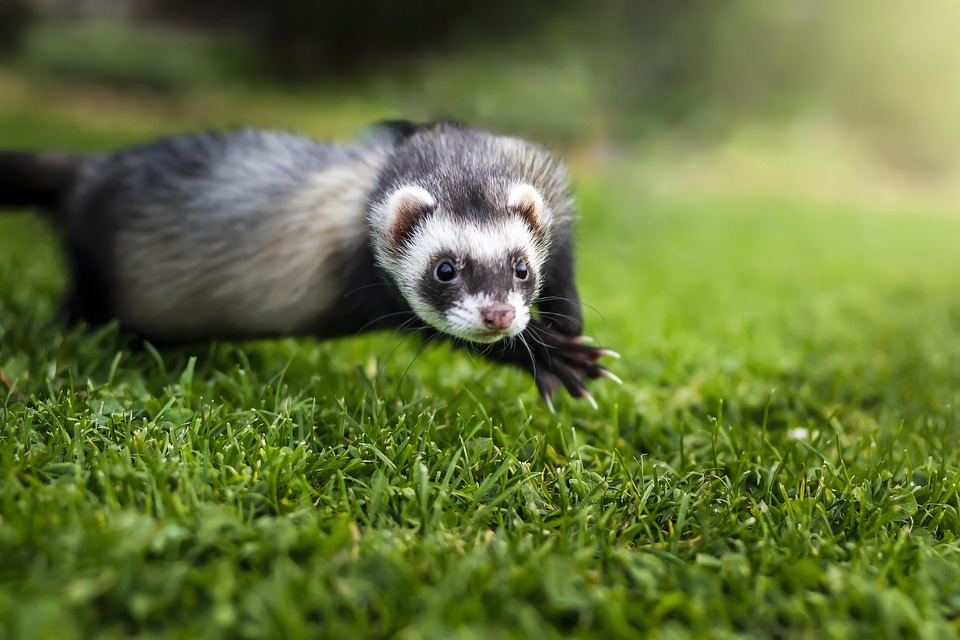
Ferrets are energetic, playful creatures that make delightful pets. However, to keep them healthy and happy, it’s crucial to provide them with a diet that meets their unique nutritional needs. Ferrets are obligate carnivores, meaning their diet must be primarily composed of meat. Understanding what constitutes an optimal diet for your ferret can significantly enhance their quality of life and longevity.
The Basics of Ferret Nutrition
Understanding Obligate Carnivores
Ferrets, like cats, are obligate carnivores. This means their bodies are adapted to thrive on animal-based protein and fat, and they cannot digest plant matter efficiently. This dietary requirement is due to their short digestive tracts and the absence of a cecum, which is used by other animals to process fiber.
Key Nutrients for Ferrets
– **Protein**: Ferrets require a diet rich in high-quality protein. Their diet should consist of at least 32-38% protein sourced from meat. Muscle meat, organs, and bones are essential.
– **Fat**: Fat is a crucial energy source for ferrets. Their diet should contain 15-20% fat. Animal fats are preferred over plant-based oils.
– **Vitamins and Minerals**: A balanced diet must include essential vitamins and minerals such as Vitamin A, D, E, calcium, and taurine.
– **Minimal Carbohydrates**: Ferrets do not require carbohydrates, and excessive carbs can lead to health issues like insulinoma.
Choosing the Right Food for Your Ferret
Commercial Ferret Foods
Commercially prepared ferret foods can be convenient, but not all are created equal. Look for brands that offer:
– High protein content from animal sources.
– Low carbohydrate content.
– No grains or fillers.
– Essential vitamins and minerals.
Raw Diets for Ferrets
A raw diet, often referred to as the BARF (Biologically Appropriate Raw Food) diet, mirrors what ferrets would eat in the wild. This diet includes raw meat, organs, and bones. Benefits include:
– Improved coat quality.
– Better dental health.
– Reduction in stool volume and odor.
When considering a raw diet, ensure:
– The meat is fresh and sourced from reputable suppliers.
– The diet is balanced with the right proportions of muscle meat, organs, and bones.
– Supplementation with essential nutrients if needed.
Homemade Diets
Preparing a homemade diet allows for complete control over your ferret’s nutrition. It’s vital to consult with a veterinarian or a pet nutritionist to ensure the diet is balanced. Considerations include:
– Including a variety of meats for a broad nutrient profile.
– Adding supplements to meet all nutritional needs.
– Regularly monitoring your ferret’s health and adjusting the diet as necessary.
Common Dietary Mistakes
To ensure your ferret’s health, avoid these common dietary pitfalls:
– **Feeding Dog or Cat Food**: These do not meet the specific nutritional needs of ferrets and can lead to deficiencies and health problems.
– **Excessive Treats**: Treats should be given sparingly and should not contain sugar or grains.
– **Inadequate Hydration**: Always provide fresh water, as ferrets can become dehydrated quickly.
Monitoring Your Ferret’s Health
Regularly assess your ferret’s health in relation to their diet:
– **Weight**: Maintain an optimal weight; sudden weight changes can indicate dietary issues.
– **Coat Condition**: A shiny, full coat signifies good health, while a dull, patchy coat might suggest nutritional deficiencies.
– **Energy Levels**: Healthy ferrets are active and playful. Lethargy can be a sign of dietary imbalance.
Addressing Special Dietary Needs
Some ferrets may require special diets due to health conditions:
– **Insulinoma**: A low carbohydrate diet is crucial.
– **Gastrointestinal Issues**: Easily digestible foods and possibly a vet-prescribed diet.
– **Older Ferrets**: May need adjustments in protein and fat levels to match their slowing metabolism.
Transitioning to a New Diet
When changing your ferret’s diet, it’s important to transition slowly to prevent digestive upset:
– Start by mixing a small amount of the new food with the old.
– Gradually increase the proportion of the new food over 7-10 days.
– Monitor your ferret’s reaction and adjust if necessary.
Conclusion
Providing a balanced, nutritious diet is one of the most important aspects of ferret care. By understanding their needs as obligate carnivores and choosing the right food, whether commercial, raw, or homemade, you can ensure your ferret leads a healthy, active life. Always consult with a veterinarian or a pet nutritionist if you have any concerns or need guidance on your ferret’s diet.
Additional Resources
For further information and guidance, consider the following resources:
– Consult with your veterinarian regularly.
– Join ferret care forums and communities for shared experiences and advice.
– Read books and articles specifically focused on ferret nutrition and care.
Ensuring your ferret receives optimal nutrition is a commitment that will reward you with a vibrant and healthy pet. By understanding and catering to their dietary requirements, you are setting the foundation for a long, happy life together.
#ChatGPT assisted in the creation of this article.