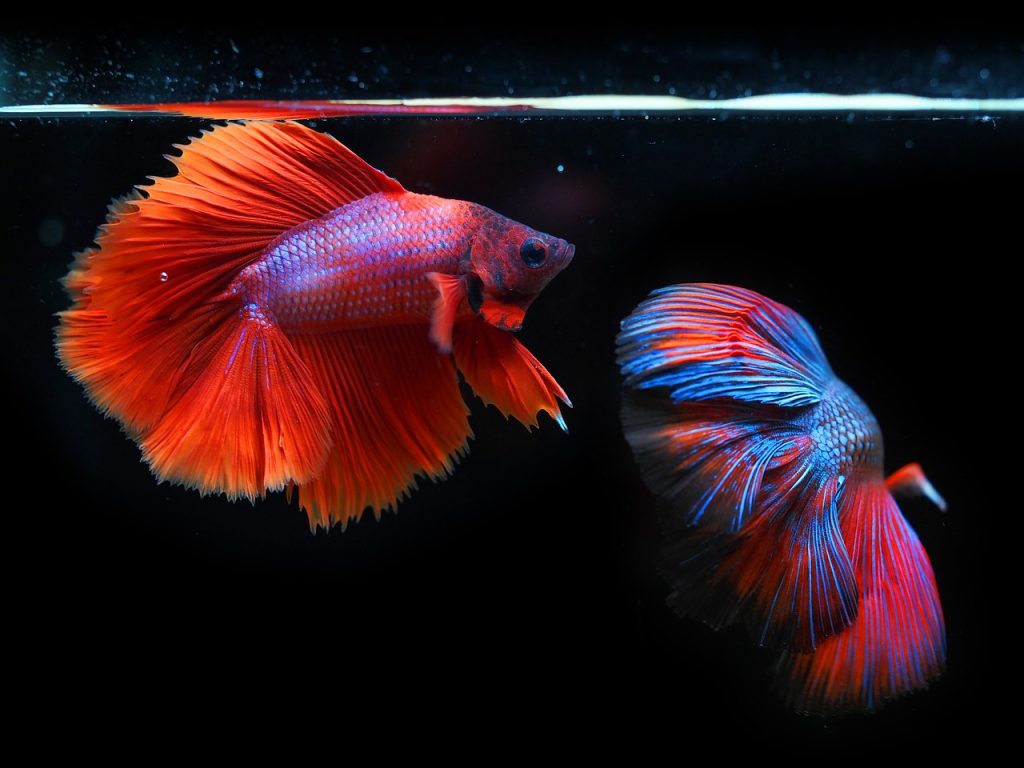
Fish, much like any other living creatures, can experience stress. In the wild, stress can result from predation, competition, environmental changes, and disease. In captivity, these stressors can be exacerbated by poor water quality, improper handling, overcrowding, and inadequate diet. Recognizing signs of stress in fish is crucial for maintaining their health and ensuring a thriving aquatic environment. This article explores the key signs of stress in fish and offers practical solutions to mitigate these issues.
Understanding Stress in Fish
Stress in fish is a biological response to perceived threats or adverse conditions. It triggers a cascade of physiological changes designed to help the fish cope with the stressor. While short-term stress responses can sometimes be beneficial, chronic stress can have detrimental effects on fish health, leading to weakened immune systems, reduced reproductive success, and even mortality.
Physiological Responses
When fish experience stress, their bodies release stress hormones such as cortisol. This leads to a series of physiological changes including increased heart rate, respiration, and metabolism. Over time, chronic stress can suppress the immune system, making fish more susceptible to diseases and infections.
Key Signs of Stress in Fish
Behavioral Changes
One of the most noticeable signs of stress in fish is a change in behavior. Stressed fish might exhibit unusual swimming patterns, such as darting around the tank, staying in one corner, or gasping at the water surface. They may also become lethargic or hide more frequently than usual. A decrease in appetite is another common behavioral change, which can lead to weight loss and weakened health if not addressed.
Physical Symptoms
Physical signs of stress can include frayed fins, clamped fins, and changes in coloration. Stressed fish may also develop lesions or sores on their bodies due to increased susceptibility to infections. Additionally, symptoms like rapid gill movement, erratic swimming, and lying on the bottom of the tank are indicators that a fish is experiencing stress.
Water Quality Indicators
Poor water quality is a significant stressor for fish. Indicators of poor water quality, such as high ammonia or nitrite levels, low oxygen levels, and inappropriate pH, can lead to stress. Fish in polluted water may exhibit symptoms like gasping for air at the surface or showing signs of distress due to the toxic environment.
Common Causes of Stress in Fish
Poor Water Quality
Water quality is one of the most critical factors in fish health. Poor water quality can result from overfeeding, inadequate filtration, or lack of regular maintenance. High levels of ammonia, nitrites, and nitrates are toxic to fish and can cause severe stress and health problems.
Inadequate Tank Conditions
Overcrowding, inappropriate tank mates, and insufficient hiding spaces can create a stressful environment for fish. Additionally, sudden changes in water temperature or pH can shock fish, leading to stress and health issues.
Handling and Transportation
Fish are sensitive to handling and transportation, which can cause significant stress. Improperly netting or moving fish can damage their protective slime coat, leaving them vulnerable to infections. It’s crucial to handle fish gently and minimize transportation stress by maintaining stable water conditions during transit.
Disease and Parasites
Diseases and parasites can cause significant stress in fish. Infected fish often exhibit symptoms like white spots, redness, or abnormal growths. Stress from disease can weaken a fish’s immune system, making it more susceptible to further infections.
Solutions to Mitigate Fish Stress
Maintain Optimal Water Quality
Regularly test water parameters and perform water changes to maintain optimal conditions. Use a reliable filtration system and avoid overfeeding to prevent the buildup of harmful substances. Ensure that the tank’s pH, temperature, and salinity are suitable for the fish species being kept.
Provide a Suitable Environment
Create an environment that mimics the natural habitat of the fish. Provide adequate hiding spaces and choose compatible tank mates to reduce stress from territorial disputes. Avoid overcrowding by following appropriate stocking guidelines for the tank size.
Gentle Handling and Transportation
Minimize handling and use soft nets to prevent damage to the fish’s protective slime coat. When transporting fish, ensure the water is aerated, and the temperature remains stable. Gradually acclimate fish to new environments to reduce stress from sudden changes.
Monitor and Treat Diseases Promptly
Regularly inspect fish for signs of disease or parasites. Quarantine new arrivals to prevent introducing diseases to the main tank. If disease is detected, promptly diagnose and treat the condition with appropriate medications or interventions.
Reduce Environmental Stressors
Limit exposure to sudden noises, vibrations, or bright lights that can startle fish. Set up a regular lighting schedule to mimic natural day and night cycles. Consistent routines help fish feel secure and reduce stress.
Conclusion
Recognizing and addressing stress in fish is essential for maintaining their health and well-being. By understanding the signs of stress and implementing solutions to mitigate stressors, aquarists can create a thriving aquatic environment for their fish. Regular monitoring, proper tank maintenance, and a keen eye for behavioral changes are crucial components in ensuring the longevity and health of fish in captivity.
Additional Resources
For further reading on fish health and stress management, consider consulting the following resources:
– “The Manual of Fish Health” by Dr. Chris Andrews, Dr. Adrian Exell, and Dr. Neville Carrington
– “Aquarium Fish Magazine” for ongoing tips and articles
– Online forums and communities like Fishlore.com for shared experiences and advice from fellow aquarists
By equipping yourself with knowledge and being attentive to your fish’s needs, you can provide a safe and nurturing environment that promotes their well-being and vitality.
#ChatGPT assisted in the creation of this article.