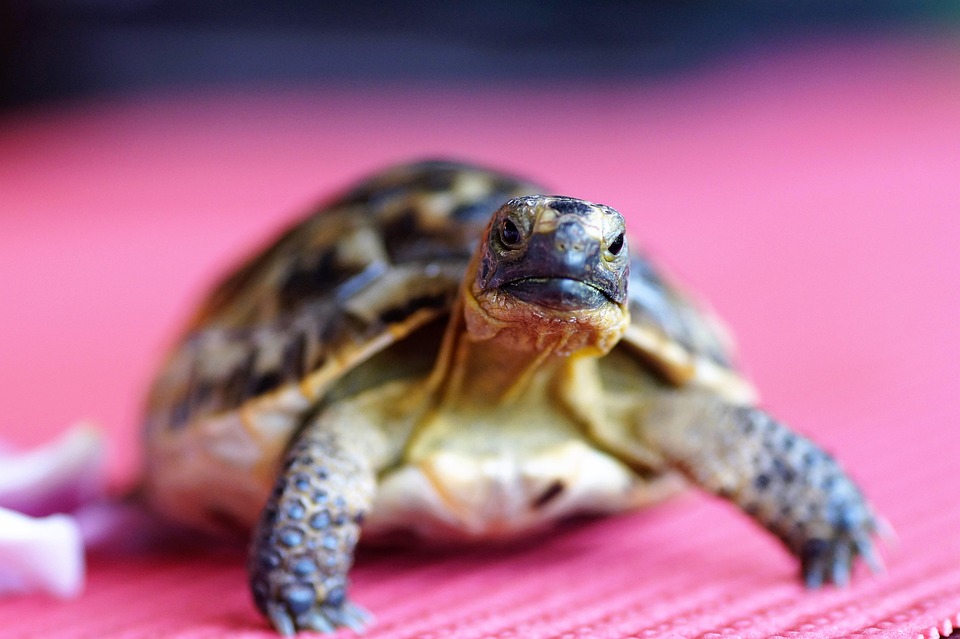
Tortoises, with their slow-paced charm and unique personalities, make fascinating and rewarding pets. However, their care requires a dedicated approach to ensure they live a long, healthy, and happy life. This comprehensive guide covers the essentials of tortoise care, providing expert tips to help you become a responsible and informed tortoise owner.
Understanding Tortoise Behavior and Natural Habitat
Before diving into the specifics of care, it is crucial to understand the natural behavior and habitat of tortoises. These reptiles are generally found in warm climates, ranging from deserts to tropical forests, depending on the species. They are primarily herbivorous and are known for their long lifespans, which can extend over 50 years with proper care.
Tortoises are solitary creatures but can be social when they become familiar with their environment and caretakers. They exhibit unique behaviors such as basking in the sun, burrowing, and exploring their surroundings. Understanding these natural behaviors is essential for creating an appropriate living environment.
Choosing the Right Species
There are numerous tortoise species, each with specific care requirements. Some popular pet tortoise species include the Russian Tortoise, Hermann’s Tortoise, and the African Sulcata Tortoise. Researching and choosing the right species for your lifestyle and available space is crucial.
– **Russian Tortoise**: Known for their small size and hardiness, they are an excellent choice for beginners.
– **Hermann’s Tortoise**: These tortoises are friendly and relatively easy to care for, making them a popular choice.
– **African Sulcata Tortoise**: One of the largest species, they require ample space and are best suited for experienced keepers.
Setting Up the Perfect Enclosure
Creating a suitable environment is one of the most critical aspects of tortoise care. The enclosure should mimic the tortoise’s natural habitat as closely as possible. Here are key aspects to consider:
– **Size**: The enclosure should be spacious enough to allow for exploration. A minimum of 8 square feet is recommended for smaller species, while larger species like the Sulcata require much more.
– **Substrate**: Choose a substrate that allows for natural digging behavior, such as a mixture of soil and sand. Avoid substrates like gravel or cedar shavings, which can be harmful.
– **Temperature and Humidity**: Maintain a temperature gradient within the enclosure, with a basking spot of 90-100°F and a cooler area around 70-75°F. Humidity levels should reflect the natural environment of the species; for instance, tropical species require higher humidity.
– **Lighting**: Provide UVA/UVB lighting for about 10-12 hours a day to support healthy shell and bone development.
– **Hiding Spots**: Include hiding spots and shelters to help your tortoise feel secure.
Nutritional Needs and Feeding Practices
A balanced diet is vital for a tortoise’s health. Tortoises are primarily herbivores, and their diet should consist of a variety of leafy greens, vegetables, and occasional fruits. Here are some guidelines:
– **Leafy Greens**: Offer a variety of greens such as dandelion greens, collard greens, and mustard greens. Avoid spinach and iceberg lettuce due to low nutritional value.
– **Vegetables**: Squash, bell peppers, and carrots can be included in moderation.
– **Fruits**: Fruits like berries and apples should be offered sparingly due to high sugar content.
– **Calcium Supplementation**: Provide a calcium supplement to ensure strong shell and bone health. A cuttlebone can also be placed in the enclosure for the tortoise to nibble on.
– **Hydration**: Ensure fresh water is always available. Soaking your tortoise in shallow water a few times a week can help with hydration.
Health and Wellness Monitoring
Regular health checks are crucial for early detection of potential health issues. Signs of a healthy tortoise include clear eyes, a smooth shell, and regular activity levels. Here are some common health concerns to watch for:
– **Respiratory Infections**: Symptoms include wheezing, nasal discharge, and lethargy. These can be caused by improper humidity or temperature.
– **Shell Rot**: This bacterial infection can cause soft spots or discoloration on the shell. Maintaining a clean and dry enclosure can prevent it.
– **Parasites**: Regular fecal exams by a veterinarian can help detect and treat parasitic infections.
Schedule regular veterinary check-ups with a reptile specialist to ensure your tortoise remains healthy.
Handling and Socialization
While tortoises are not typically cuddly pets, they can become accustomed to handling and may enjoy gentle interaction. Here are some tips for handling and socializing your tortoise:
– **Gentle Handling**: Support the tortoise’s body with both hands, being careful not to drop it. Avoid handling when the tortoise is eating or sleeping.
– **Regular Interaction**: Spend time near the enclosure to help your tortoise get used to your presence. Offer food by hand to build trust.
– **Enrichment Activities**: Provide a variety of objects and terrain in the enclosure to stimulate natural behaviors and prevent boredom.
Outdoor vs. Indoor Living
Deciding whether to keep your tortoise indoors or outdoors depends on your climate and available space. Each option has its benefits and challenges:
– **Indoor Enclosures**: Easier to control temperature and humidity but require more effort to provide natural sunlight and space.
– **Outdoor Enclosures**: Offer natural sunlight and more space for exploration but require secure fencing and protection from predators.
If you choose outdoor housing, ensure the enclosure is escape-proof and offers areas of both sunlight and shade.
Seasonal Care and Hibernation
Some tortoise species naturally hibernate, while others do not. Understanding your tortoise’s hibernation needs is essential:
– **Hibernating Species**: Species like the Russian Tortoise require a hibernation period during the winter months. Prepare a safe and controlled environment with consistent temperatures to facilitate hibernation.
– **Non-Hibernating Species**: Maintain stable environmental conditions year-round for species that do not hibernate.
Consult with a veterinarian for specific hibernation guidelines tailored to your tortoise species.
Conclusion
Caring for a tortoise is a long-term commitment that requires attention to detail and dedication. By understanding their natural behaviors and creating an environment that meets their needs, you can ensure your tortoise lives a happy and healthy life. Regular health monitoring, proper nutrition, and a well-maintained enclosure are essential components of responsible tortoise care. With the right knowledge and preparation, owning a tortoise can be a deeply rewarding experience that brings joy for many years to come.
“`
#ChatGPT assisted in the creation of this article.