Understanding Why Cats Scratch
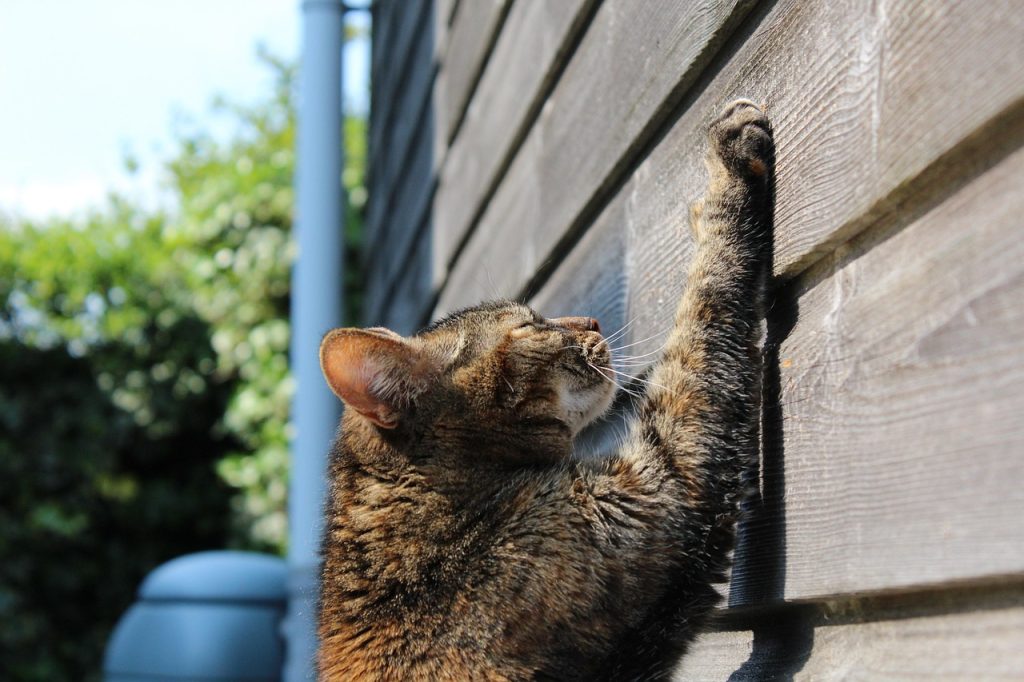
Cats are natural scratchers. It’s an innate behavior that serves several important functions. First, scratching helps cats remove the dead outer layer of their claws, keeping them sharp and healthy. Additionally, scratching is a way for cats to mark their territory. Cats have scent glands in their paws, and by scratching, they deposit their scent, staking claim to their domain. Scratching also provides cats with a great way to stretch their bodies and flex their feet and claws.
For cat owners, understanding the motivation behind scratching is crucial in finding effective solutions to manage this behavior. Rather than trying to stop your cat from scratching altogether, which would be both challenging and unfair, the goal should be to redirect their scratching to appropriate surfaces and minimize damage to furniture and other household items.
Provide Suitable Scratching Alternatives
The most effective strategy to prevent your cat from scratching inappropriate items is to provide them with suitable alternatives. This means investing in a variety of scratching posts and boards that cater to your cat’s preferences.
Choosing the Right Scratching Post
Not all scratching posts are created equal, and what works for one cat might not work for another. When selecting a scratching post, consider the following factors:
– **Material**: Cats tend to prefer rough surfaces they can dig their claws into. Sisal rope or fabric is often a popular choice among cats. Avoid posts covered in carpet, as cats might not distinguish between the post and your carpeted floors.
– **Stability**: A wobbly scratching post is unlikely to be used. Ensure the post is sturdy enough to withstand your cat’s enthusiastic scratching.
– **Height**: Cats like to stretch out fully, so opt for a taller post that allows your cat to extend its body completely.
Variety is Key
Cats can be finicky, and their scratching preferences might change over time. Providing a variety of scratching surfaces, such as vertical posts, horizontal scratchers, and incline boards, can keep your cat engaged and less likely to turn to your furniture.
Strategic Placement of Scratching Posts
The placement of scratching posts is just as important as the type of post you choose. Place them in areas your cat frequents and, ideally, near the items they are currently scratching. For instance, if your cat has taken a liking to your couch, position a scratching post next to it. Over time, your cat should be naturally drawn to the more appropriate option.
You can also place scratching posts near windows or in social areas where your cat spends a lot of time. This not only encourages use but also allows your cat to mark its territory in a place it deems important.
Using Deterrents and Training Techniques
Sometimes, providing alternatives isn’t enough, and you may need to use additional techniques to deter your cat from scratching certain areas.
Deterrent Sprays
There are commercial sprays available that are designed to deter cats from scratching. These sprays usually have a scent that is unpleasant to cats but not offensive to humans. Spray them on furniture and other areas you wish to protect. Always test a small area first to ensure the spray doesn’t damage the material.
Double-Sided Tape
Cats dislike sticky surfaces, so placing double-sided tape on furniture can deter them from scratching. Over time, your cat will learn to associate the uncomfortable sensation with the furniture and will seek out their scratching post instead.
Positive Reinforcement
Reward your cat for using the scratching post. When you see your cat using the post, offer treats, praise, and affection. Positive reinforcement will help your cat form a strong positive association with the scratching post, making it more likely to use it in the future.
Regular Nail Trimming
Keeping your cat’s nails trimmed can reduce the damage caused by scratching. Regular trimming not only minimizes potential harm to your furniture but also helps keep your cat’s nails healthy. If you’re unsure how to trim your cat’s nails, ask your vet for a demonstration or consider a professional grooming service.
Consider Nail Caps
Nail caps can be an effective temporary solution for cats prone to destructive scratching. These small, soft caps are glued onto your cat’s claws, preventing them from causing damage. They typically last four to six weeks and fall off as the cat’s claws grow. While nail caps can be a great option, they require regular maintenance and might not be suitable for all cats.
Environmental Enrichment
Sometimes, scratching can be a sign of boredom or lack of mental stimulation. Ensuring your cat has plenty of opportunities for play and exploration can reduce the likelihood of destructive behavior. Interactive toys, puzzle feeders, and regular play sessions can keep your cat engaged and less inclined to scratch out of boredom.
Consult with a Veterinarian or Behaviorist
If your cat’s scratching behavior is excessive and the above strategies aren’t helping, consider consulting with a veterinarian or a certified animal behaviorist. They can help identify any underlying issues that may be contributing to the behavior and provide tailored advice and solutions.
Conclusion
Preventing your cat from scratching requires patience and understanding. By providing suitable alternatives, using deterrents, and offering positive reinforcement, you can guide your cat toward more appropriate scratching behavior. Remember that scratching is a natural and necessary behavior for cats, and with the right approach, you can protect your furniture while ensuring your cat is happy and healthy. With these effective tips, you’re well on your way to a harmonious living space for both you and your feline friend.
“`
#ChatGPT assisted in the creation of this article.