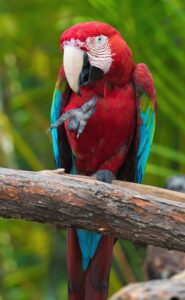
Parrots are intelligent, social creatures that thrive in environments that cater to their physical and mental needs. Setting up a parrot cage optimally is crucial not only for their well-being but also for fostering a positive relationship between you and your feathered friend. This article provides essential tips for creating an ideal living space for your parrot, ensuring they remain healthy, happy, and engaged.
Choosing the Right Cage
The cage is your parrot’s primary habitat, so selecting the right one is paramount. The cage should be spacious enough to allow your parrot to spread its wings fully, move around freely, and engage in natural behaviors.
Size Matters
When it comes to parrot cages, bigger is usually better. The cage should be at least twice the wingspan of your parrot in width, and tall enough for them to climb and explore. For larger parrots like macaws and cockatoos, cages should be even more spacious to accommodate their size and energy levels.
Bar Spacing and Thickness
The spacing and thickness of the bars are crucial for safety. Parrots are known for their curiosity, and improper bar spacing can lead to accidents. Small parrots like budgerigars require narrower spacing, while larger parrots need thicker bars to withstand their strong beaks.
Material and Durability
Choose a cage made of non-toxic materials, preferably stainless steel or powder-coated metal, as these are durable and safe. Avoid cages with lead or zinc coatings, as these metals can be toxic to birds if ingested.
Strategic Cage Placement
Where you place the cage in your home can significantly impact your parrot’s quality of life. Consider the following factors when deciding on the perfect spot:
Lighting and Temperature
Parrots require natural light for their physical health and mental well-being. Place the cage in a well-lit room but avoid direct sunlight, which can cause overheating. Ensure the room maintains a stable temperature, avoiding drafts and extreme temperature fluctuations.
Location
Parrots are social animals that thrive on interaction. Place their cage in a busy area of your home where they can observe and participate in family activities. However, ensure the area is not excessively noisy or chaotic, as this can stress your parrot.
Essential Cage Accessories
Outfitting your parrot’s cage with the right accessories is crucial for their physical health and mental stimulation.
Perches
Perches are essential for your parrot’s foot health and should be available at various heights and in different textures. Natural wood perches are ideal, offering a range of diameters and textures for your parrot to grip, which helps maintain healthy feet.
Food and Water Dishes
Use durable, non-toxic food and water dishes. Stainless steel or ceramic bowls are preferred as they are easy to clean and resistant to chewing. Place them strategically to minimize contamination from droppings.
Toys and Enrichment
Parrots are intelligent creatures that require mental stimulation. Provide a variety of toys, including foraging toys, puzzle toys, and chew toys, to keep them engaged. Rotate toys regularly to maintain interest and prevent boredom.
Maintaining Cage Cleanliness
A clean cage is essential for your parrot’s health. Regular cleaning prevents the buildup of bacteria and mold, which can lead to health issues.
Daily Cleaning
Spot-clean the cage daily by removing uneaten food, replacing water, and cleaning any visible messes. This helps maintain a sanitary environment for your parrot.
Weekly Deep Cleaning
Conduct a thorough cleaning of the cage weekly. Remove all accessories, clean the bars and tray with a bird-safe disinfectant, and rinse thoroughly. Ensure everything is dry before reassembling the cage.
Feeding and Nutrition
Proper nutrition is vital for a parrot’s health and well-being. A balanced diet should consist of high-quality pellets, fresh fruits, vegetables, and occasional seeds or nuts.
Variety and Balance
Provide a diverse diet to ensure your parrot receives all necessary nutrients. Fresh fruits and vegetables like carrots, apples, and leafy greens should be a regular part of their diet. Avoid feeding avocados, chocolate, and caffeine, as these are toxic to parrots.
Feeding Schedule
Establish a consistent feeding schedule to help regulate your parrot’s metabolism and maintain their health. Remove uneaten food after a few hours to prevent spoilage and bacterial growth.
Encouraging Social Interaction
Parrots are social creatures that thrive on interaction. Regular engagement with your parrot strengthens your bond and prevents loneliness.
Talk and Play
Spend time talking to your parrot and engaging in interactive play. Teaching them tricks or words can be a rewarding experience for both you and your bird.
Out-of-Cage Time
Allow your parrot out-of-cage time daily to explore and exercise. Ensure the environment is safe and free from potential hazards like open windows or toxic plants.
Monitoring Health and Behavior
Regularly observe your parrot for signs of illness or stress. Changes in behavior, appetite, or droppings can indicate health issues.
Regular Vet Check-Ups
Schedule regular visits to an avian veterinarian for check-ups. Early detection of health problems can prevent serious complications.
Behavioral Observations
Be attentive to your parrot’s behavior. Signs of stress or illness include feather plucking, aggression, or lethargy. Address any changes promptly to maintain your parrot’s well-being.
Conclusion
Creating an optimal parrot cage setup involves careful consideration of various factors, from cage size and placement to diet and social interaction. By following these essential tips, you can ensure your parrot leads a healthy, happy, and fulfilled life. Remember that every parrot is unique, and their needs may vary, so always be attentive and responsive to your feathered friend’s specific requirements.
#ChatGPT assisted in the creation of this article.